Engineered barriers
Engineered barriers form part of a multibarrier system that provides passive safety by ensuring the long-term isolation and confinement of radioactive waste. Together with the surrounding geological formations, they minimize reliance on human intervention and maintain protection of man and the environment over extended timescales.
Gallery Lining
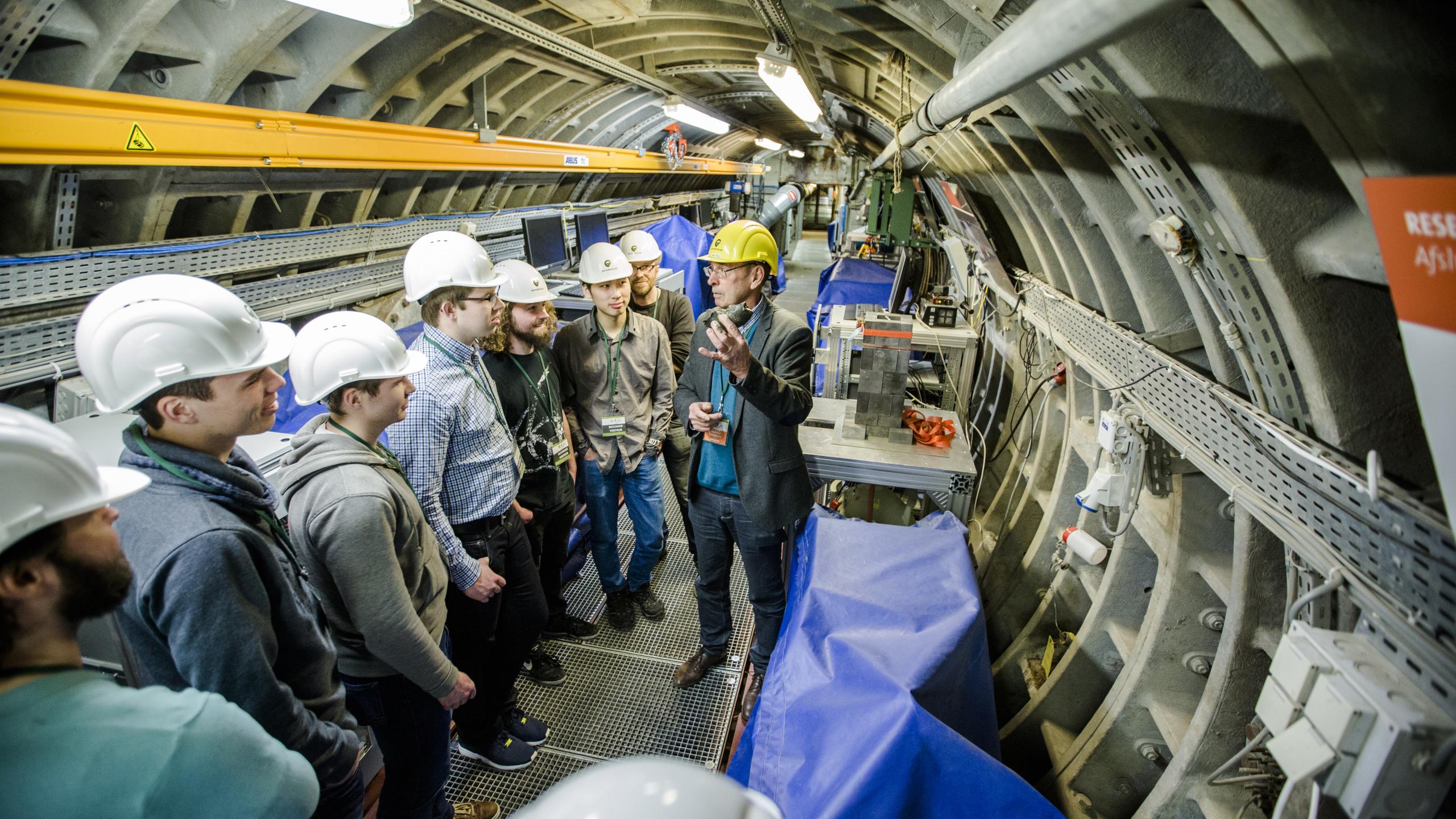
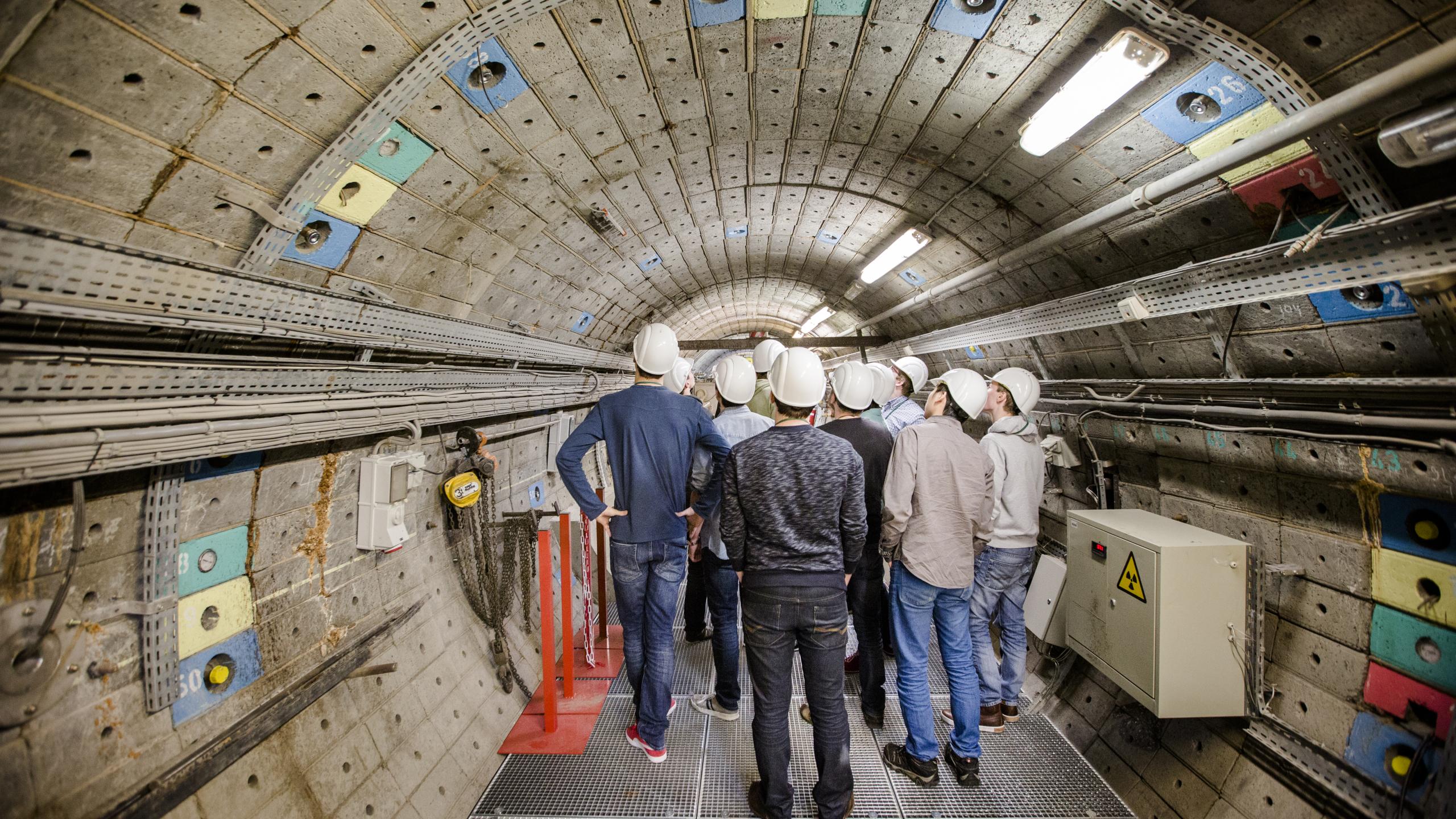
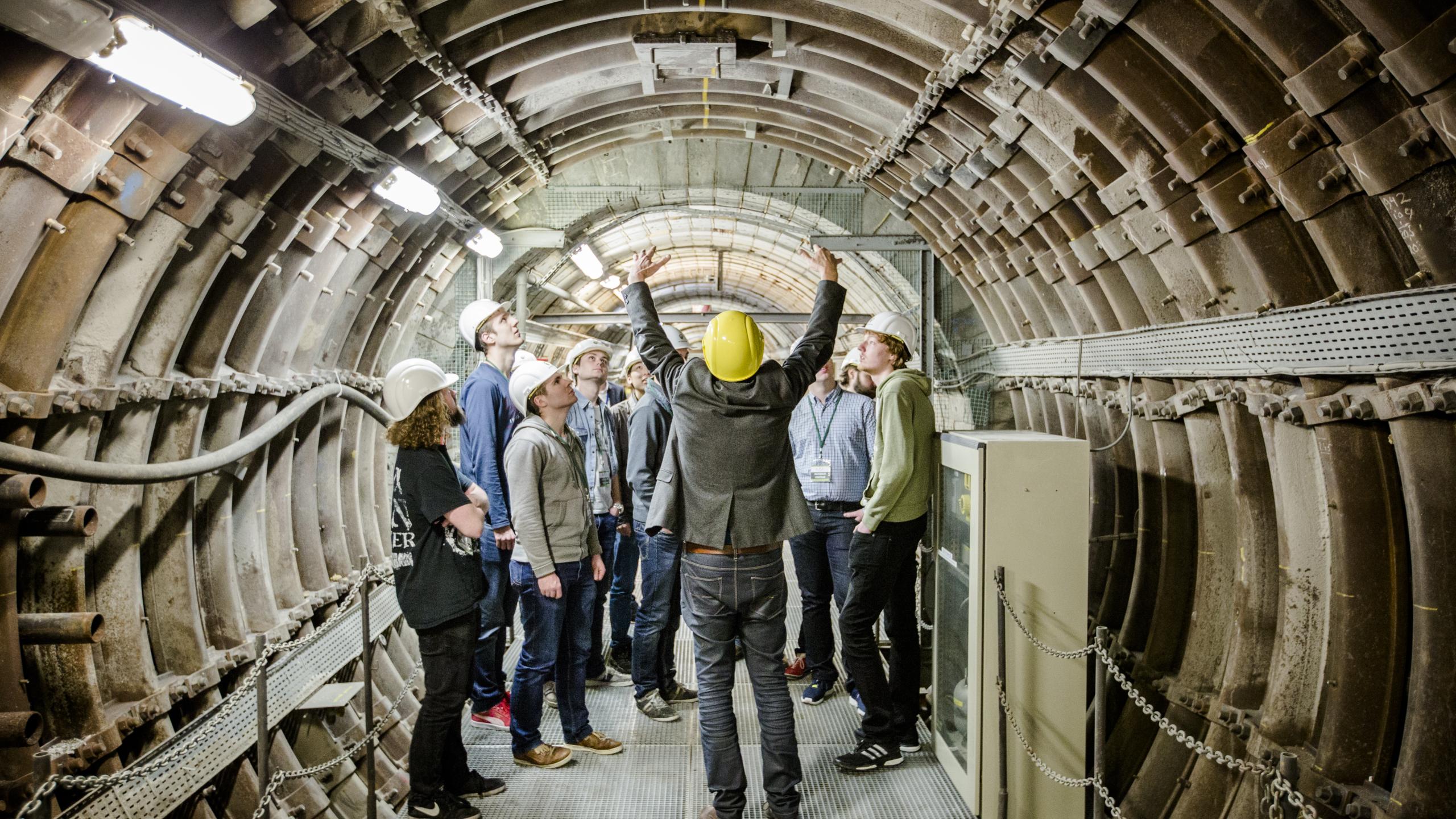
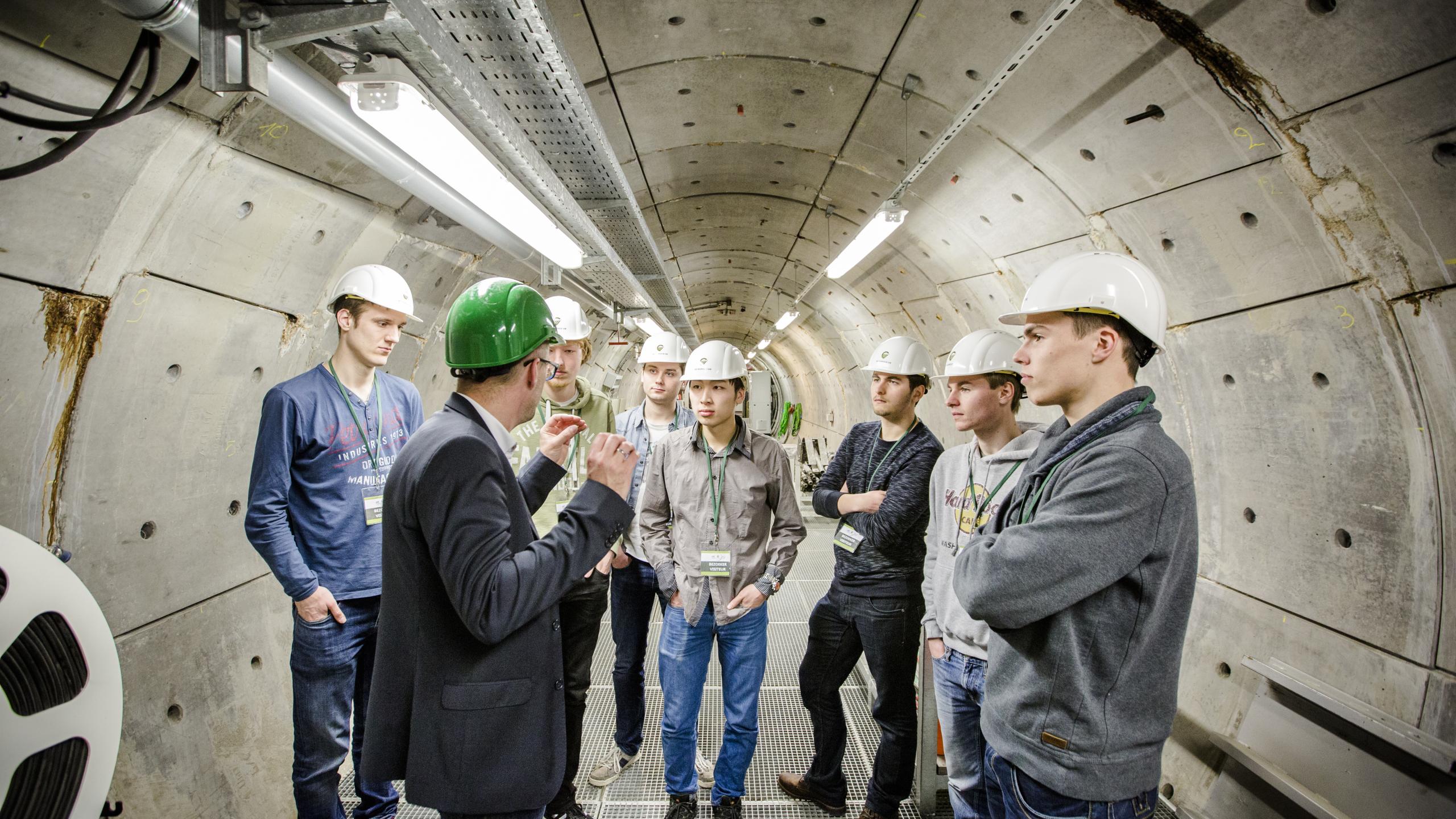
In HADES, there are four different types of gallery lining, showing how the excavation process has evolved towards industrial methods. In the current concept for a geological repository in clay, the gallery lining would be similar to the concrete blocks used in the industrial phase.
- First gallery
In the pioneering phase, the first gallery of HADES was constructed with cast iron vaulting. This was an overshooting in terms of safety since it was thought at the time that the plastic, poorly indurated Boom Clay was not stable enough to construct galleries in without steel reinforcement.
- Test drift
The test drift and experimental shaft and gallery were lined with manually placed 60 cm thick concrete blocks, with wooden panels in between as compressible material. This was adequate to ensure the stability of the gallery, but is not compatible with industrial techniques
- ANDRA gallery
The ANDRA gallery is lined with a sliding rib system. This functions well, but would introduce too much steel into the disposal repository, coinciding with a higher than necessary production of hydrogen gas.
- Connecting gallery
The connecting and PRACLAY galleries are lined with 40 cm thick high-performance concrete blocks, each ring is secured by a wedge-block. This system is the reference for the current design.
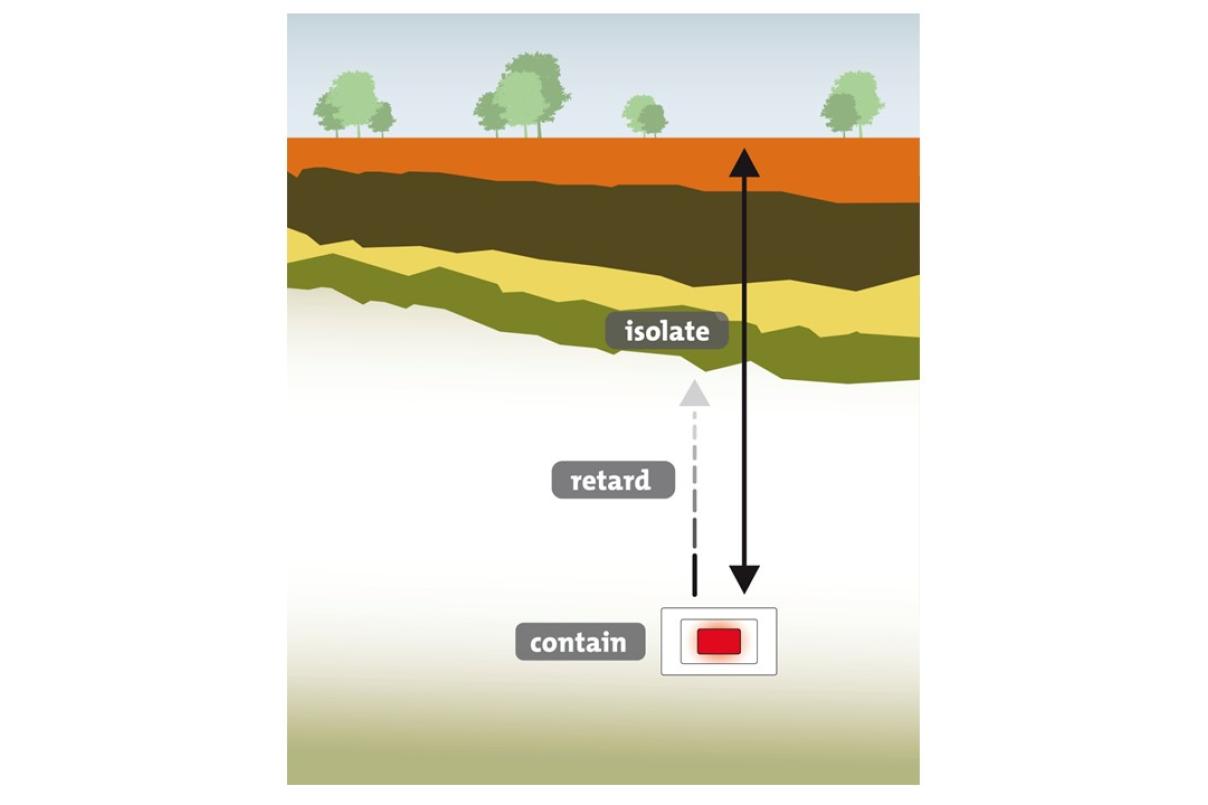
NIRAS-ONDRAF explains the different safety functions comprehensibly on their website.
The Supercontainer
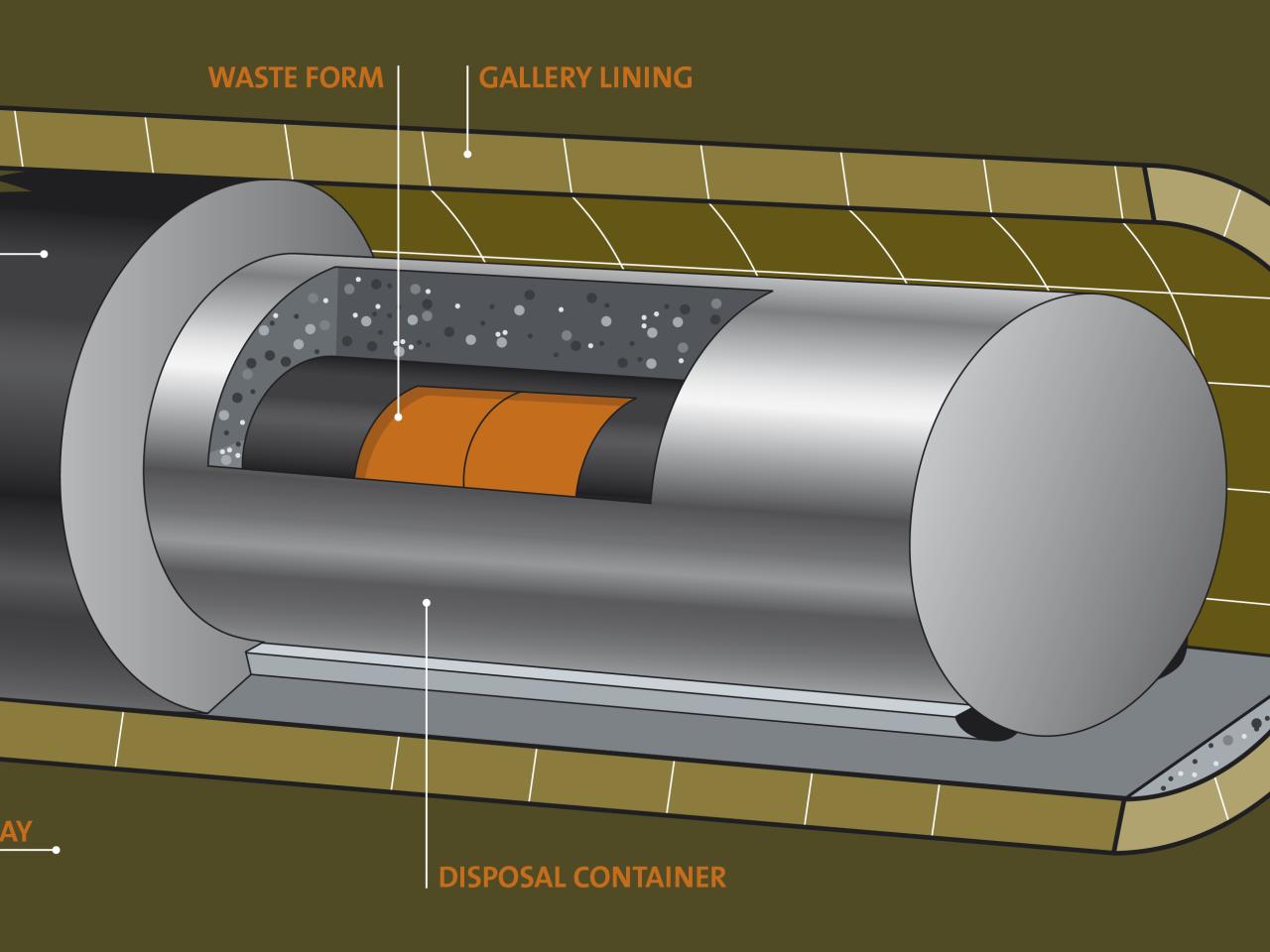
The current, Belgian concept for the disposal of highly radioactive, heat-emitting waste, is to package it in so-called supercontainers. After its construction, the supercontainer would provide enough shielding for the highly radioactive waste that operations can be in its close vicinity. The supercontainer as such would be lowered into the facility and placed in the disposal gallery, after which it will be backfilled with cement.
Designed to ensure long-term containment, it combines multiple engineered barriers around the primary waste package: a 3 cm thick carbon steel overpack, a 70 cm thick concrete buffer, and a 6 mm thick stainless-steel envelope. This configuration would prevent contact between radioactive materials and surrounding host formation during the critical “warm phase,” which lasts thousands of years. A bold claim, which is achieved by selecting the appropriate materials. Indeed, the concrete serves a double purpose. It’s shielding properties on the surface ensure immediate safety. Moreover, the thick layer of concrete around the carbon steel envelope, will guarantee a high pH environment for thousands of years. This chemical feature will induce the formation of a passivation layer on the carbon steel in contact with the concrete, preventing it from corroding and thus water infiltrating into the primary waste package for thousands of years.
The feasibility of constructing a supercontainer was investigated by means of a demonstration test. This was done in collaboration with the EURIDICE team. In collaboration with Ghent University, a full-scale mock-up of the supercontainer was built. The model has the same diameter and wall thickness as the actual design and is slightly less than four meters high. Real supercontainers will be between 4 and 6 meters long, depending on the type of high-level radioactive waste. The heat generated by the waste was simulated using a heating element. The mock-up helped determine how to construct a supercontainer that meets all geological disposal safety standards. Engineers poured large amounts of self-compacting concrete between two steel molds to form a single hollow cylinder. The concrete composition was tailored to create chemical conditions that protect the carbon steel overpack. After 28 days of curing (hardening), the steel overpack and heating element were placed inside, and the model was sealed. Sensors were installed in between the molds to be able to monitor temperature, humidity, strain, pressure, which is part of the EURIDICE-expertise. The results showed that it is feasible to construct such a concrete cylinder in one whole, and that the mechanisms behind the mechanical and thermal behaviour of the concrete are well-understood.