Instrumentation and monitoring
Understanding how clay behaves deep underground—and how engineered structures like concrete gallery walls perform over time—is essential for safe geological disposal. To achieve this, researchers rely on a wide range of measuring instruments. These tools capture data on physical properties and structural responses, while regular visual inspections provide additional insights. Together, these activities form what we call monitoring.
What happens in the clay?
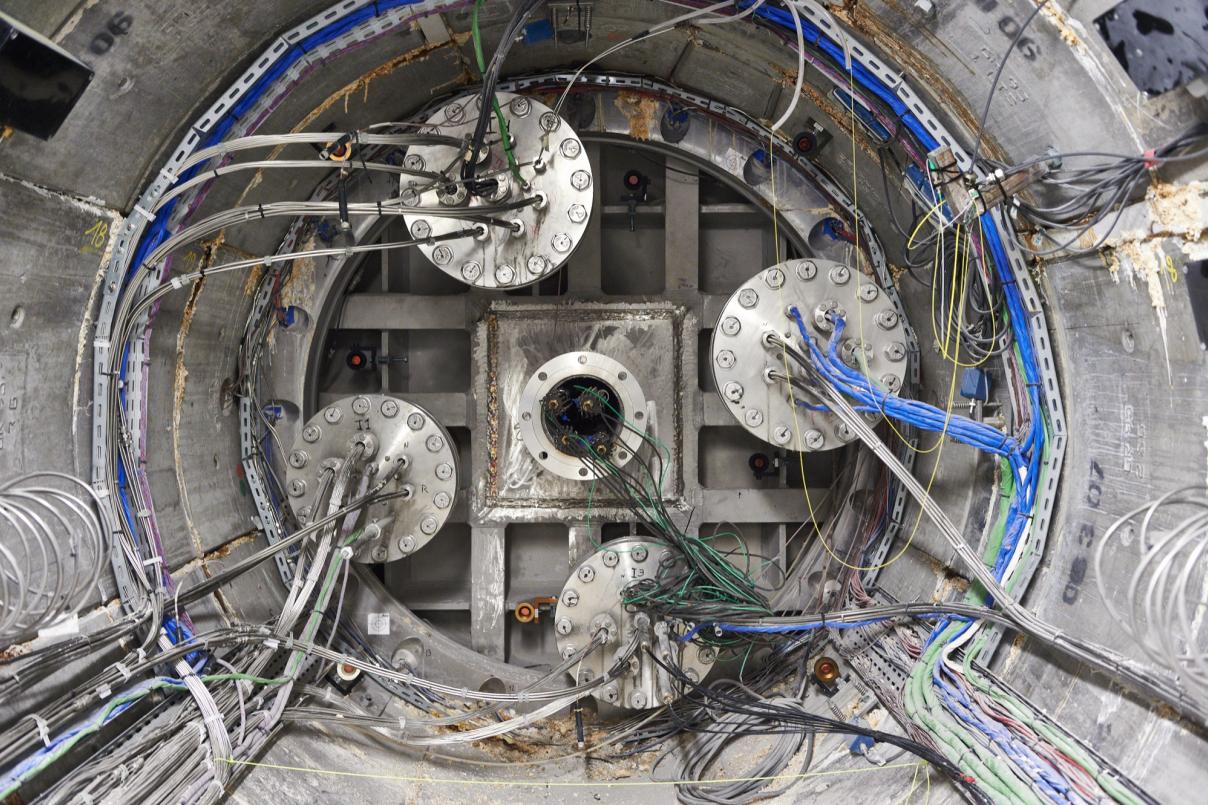
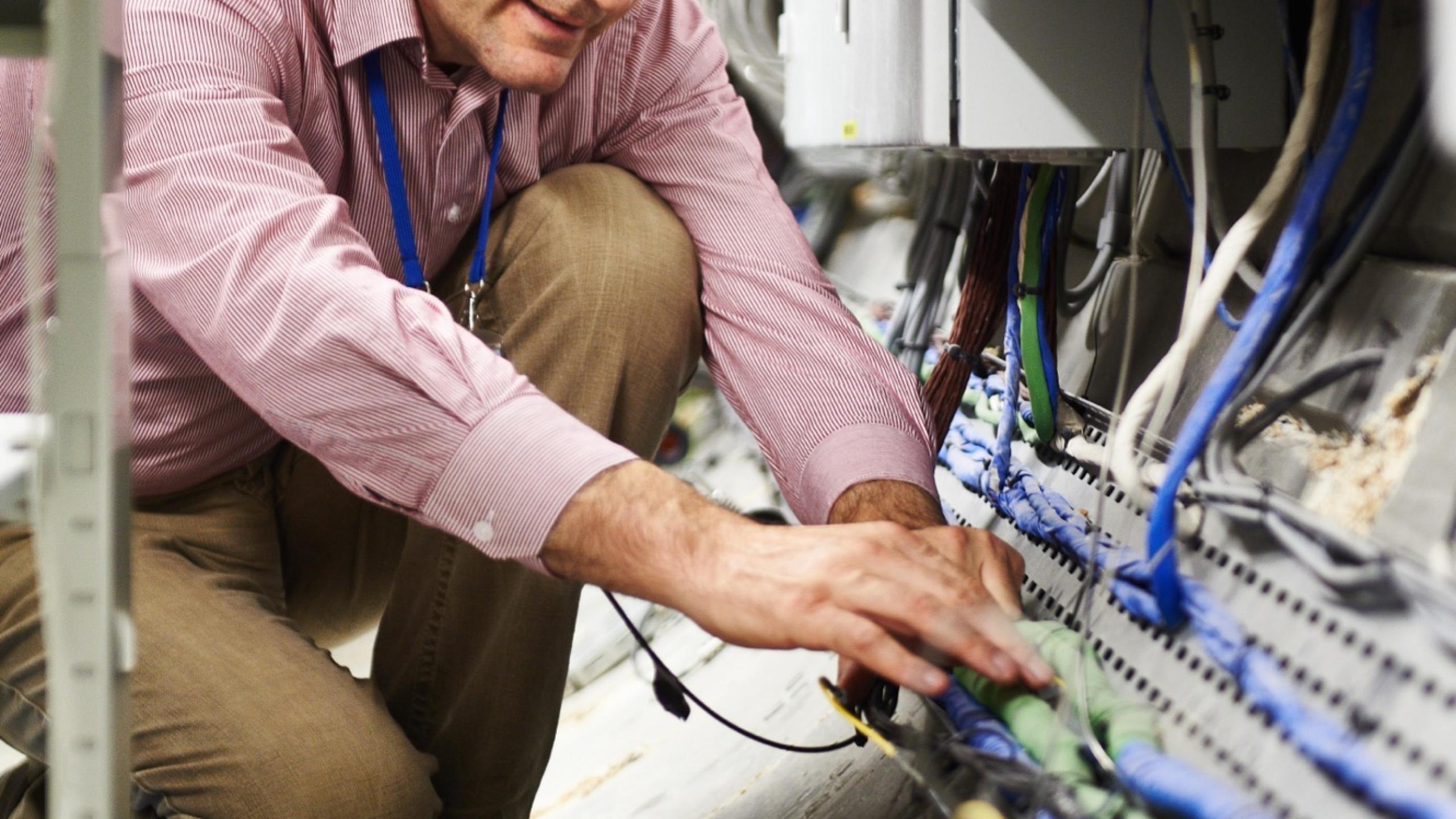
Monitoring is much more than just collecting numbers. It’s a continuous process of tracking, analysing, and interpreting data to follow-up processes during in situ experiments. Through decades of intensive instrumentation in the unique setting of HADES, the team at EURIDICE has built exceptional expertise in this field. This knowledge doesn’t stop underground. Our monitoring team also supported the demonstration test of the supercontainer and applies its monitoring expertise to the test programmes related to the surface disposal site in Dessel.
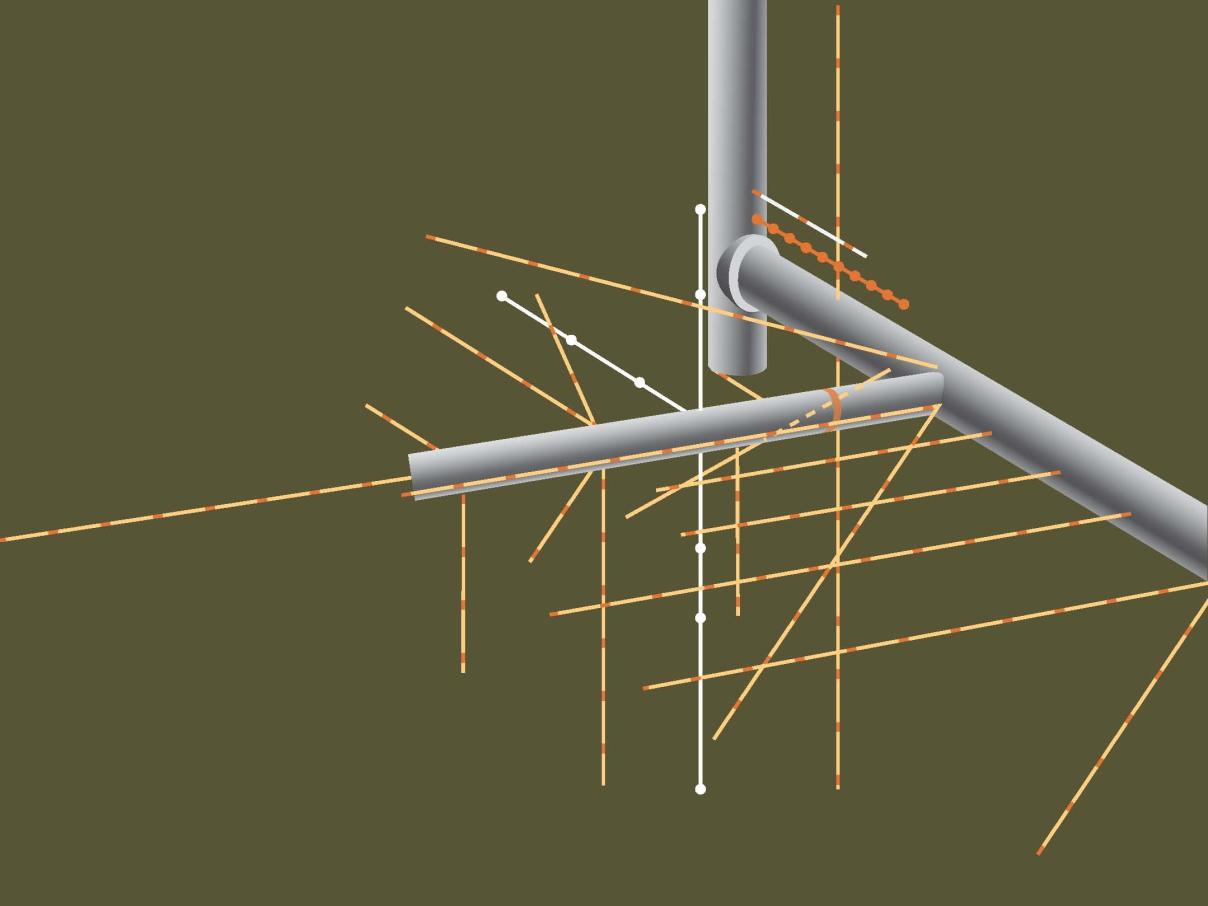
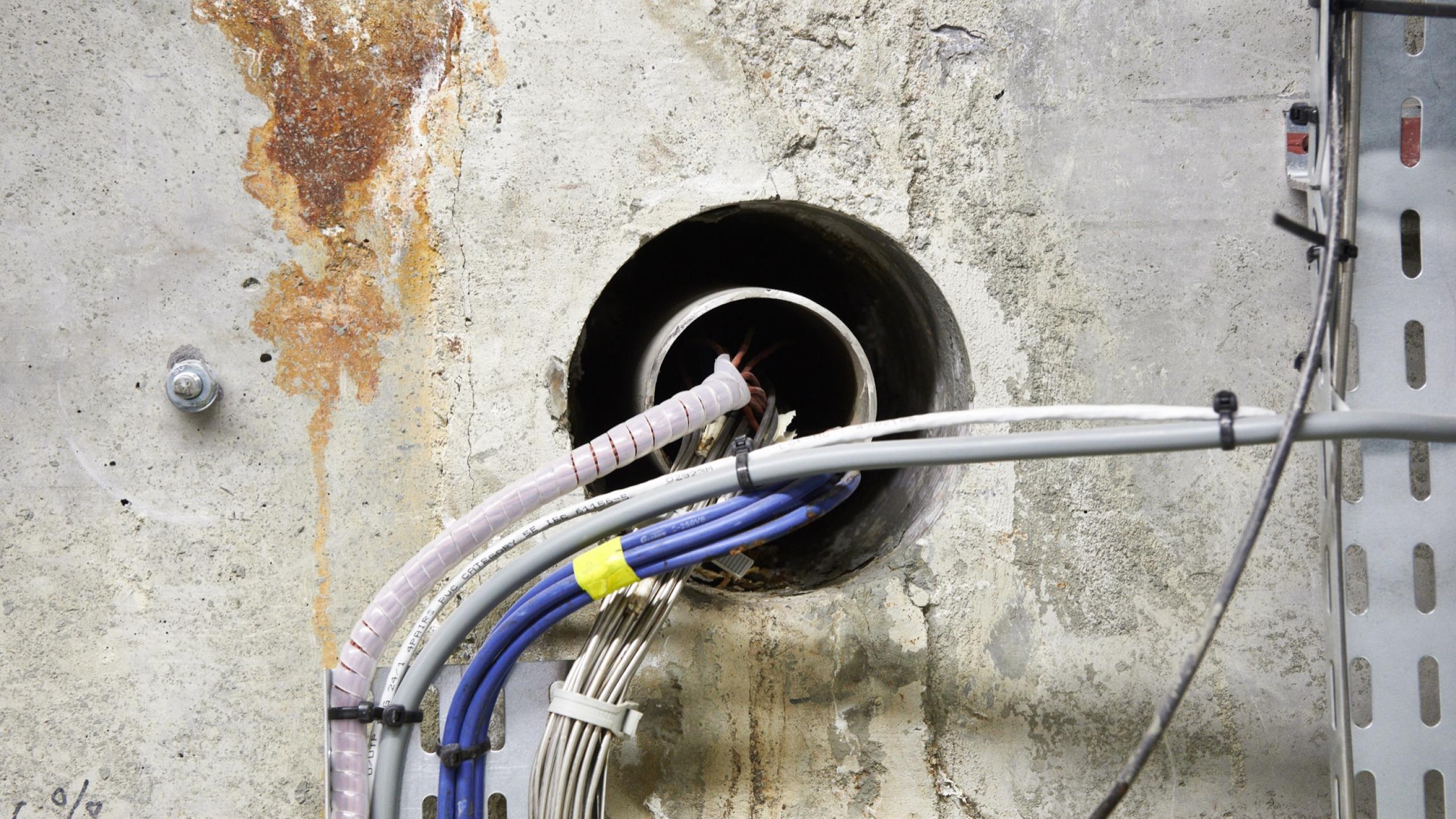
This images for example shows all the instrumented boreholes in and around the PRACLAY Gallery, allowing us to follow up the in situ heater test for over a decade.
lleeaarrnn mmoorree aabboouutt oouurr mmoonniittoorriinngg eexxppeerrttiissee
What do we monitor?
Gallery stability
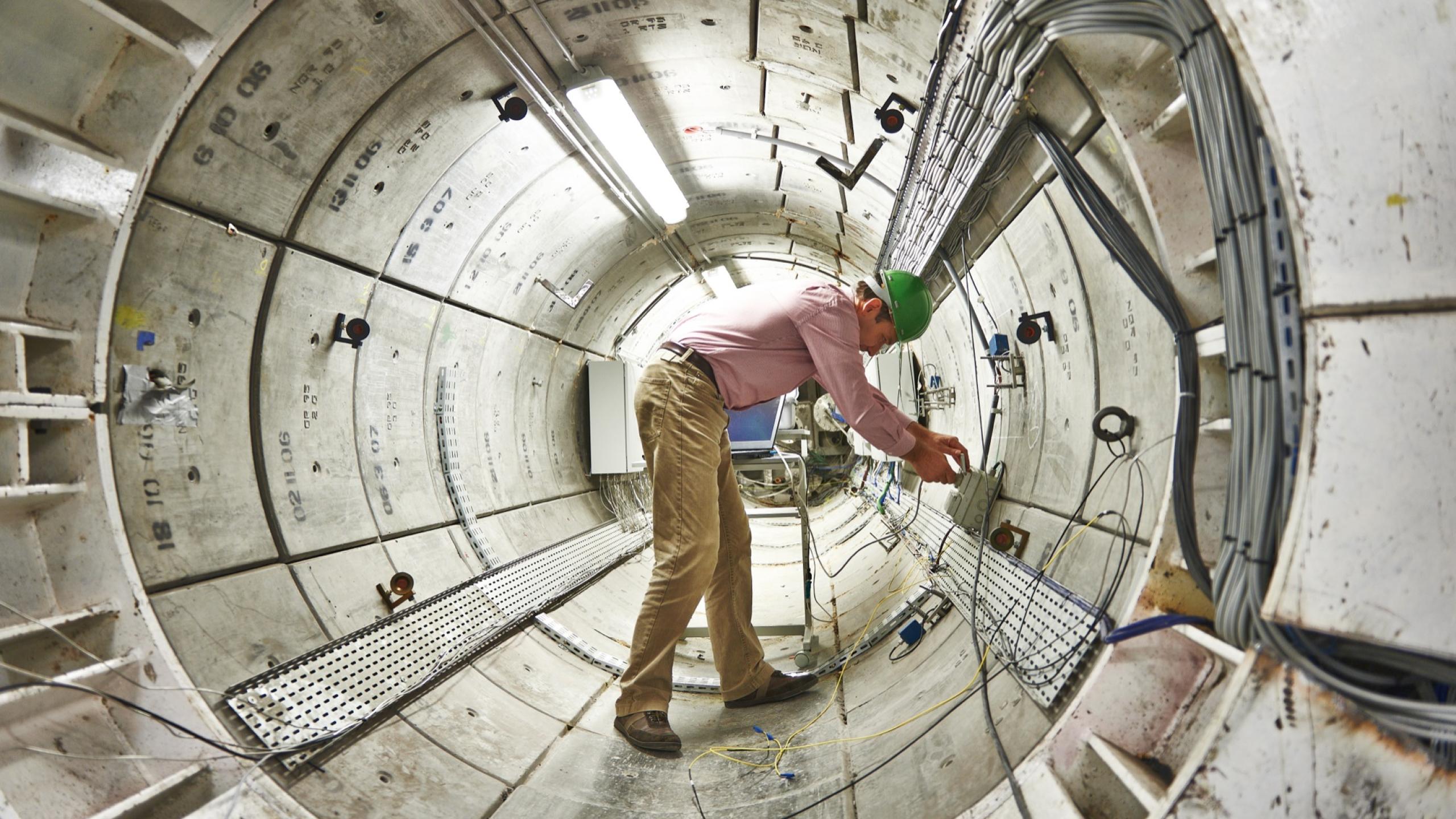
As the concrete-lined galleries in HADES age, with the eldest being nearly 40 years old, they are excellent study objects to investigate their behavior over time. This provides us with essential knowledge on the gallery stability, important for an operational geological repository, which can extend up to one century.
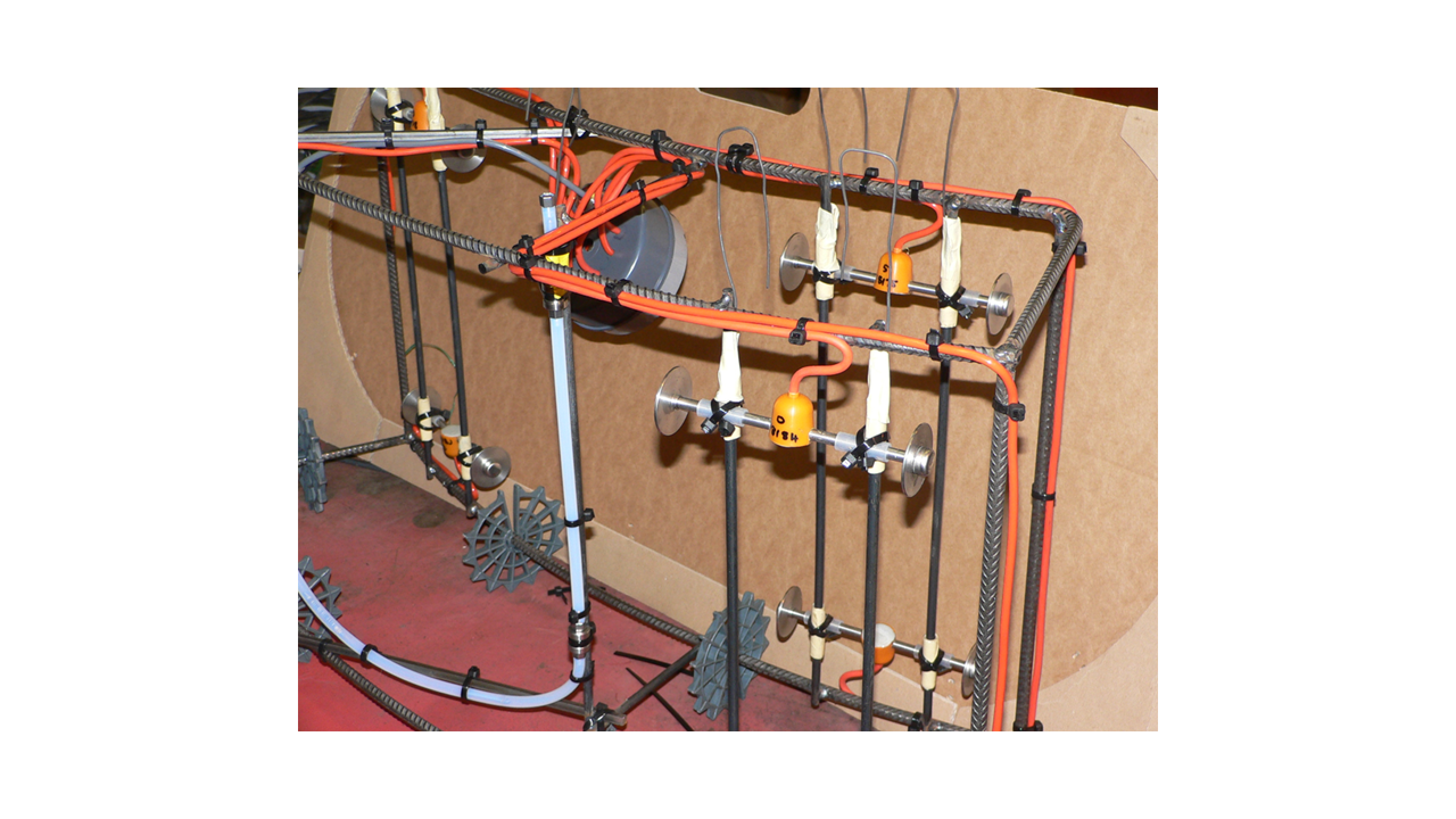
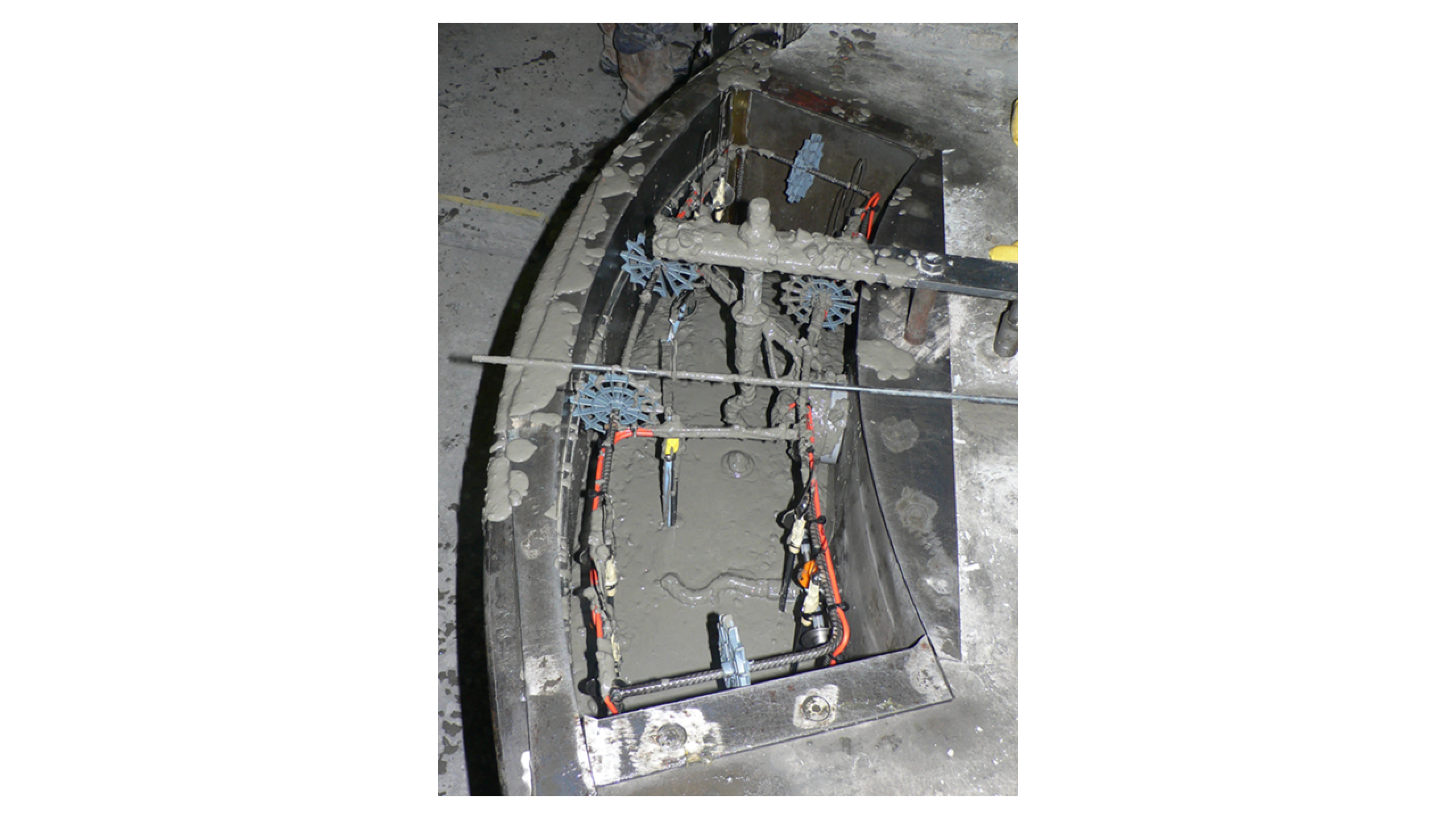
Several techniques are applied to monitoring this stability. During construction of the Connecting Gallery, the lining was equipped with sensors to monitor the mechanical loads. The total load is a result of the pressure exerted by the clay formation on the lining, the load between the lining blocks, and the resulting deformation of the lining segments. We use with strain gauges embedded in the concrete segments during their construction, which have proven to be very robust and are providing reliable data on the deformation of the segments in the Connecting Gallery for more than 20 years.
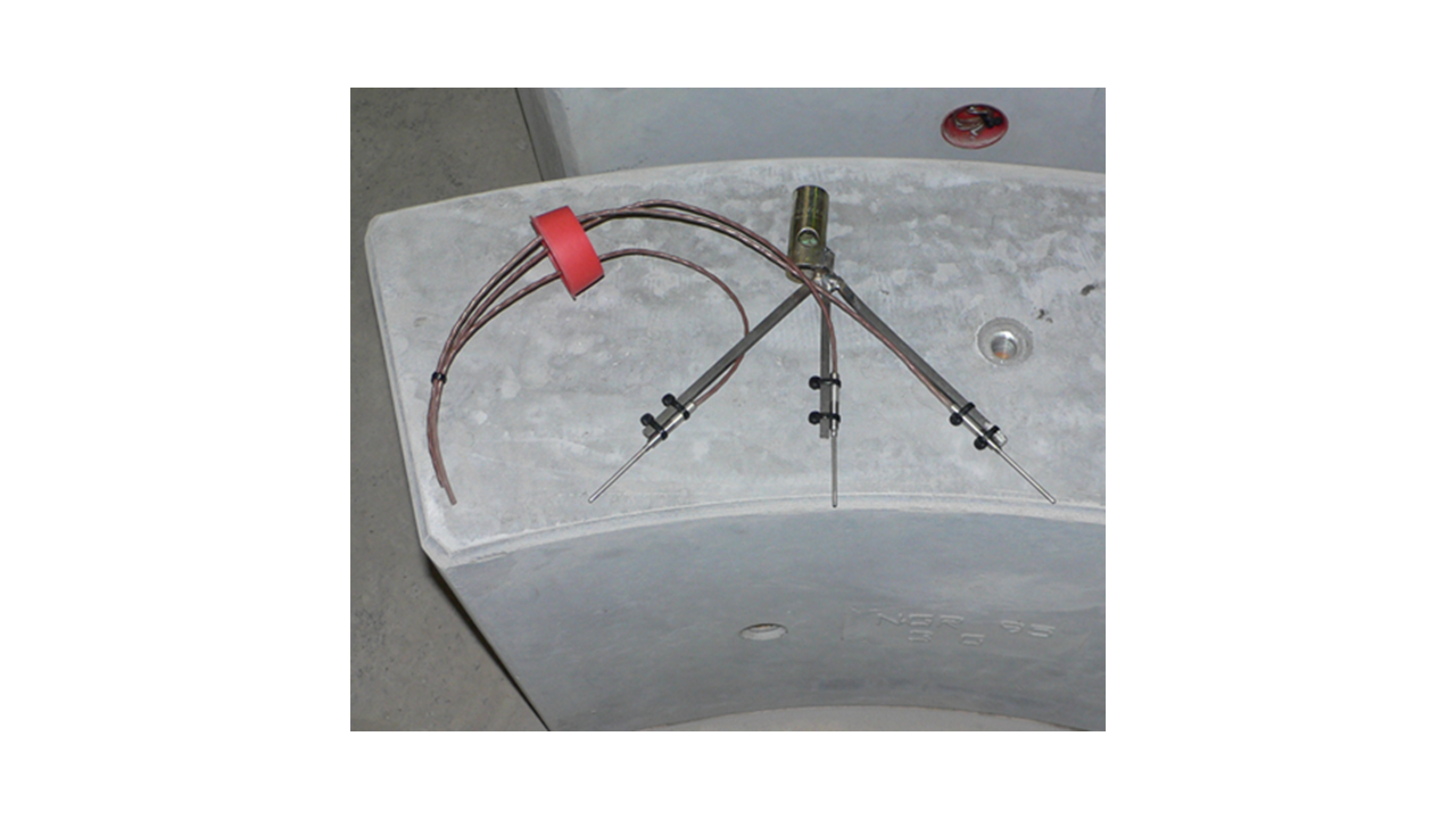
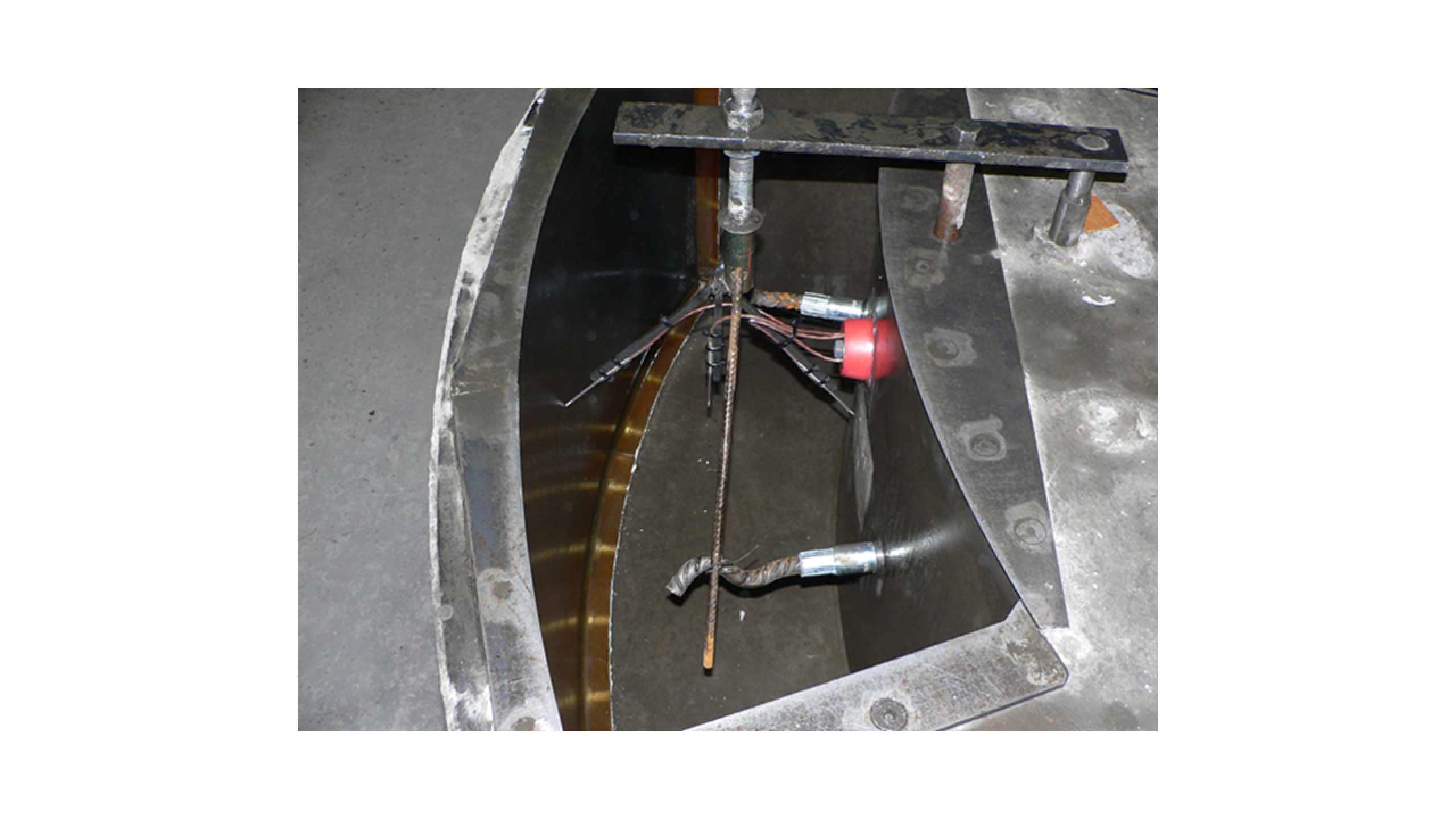
In the PRACLAY Gallery, thermocouples have also been embedded in the concrete segments since temperature follow-up is crucial here. This way, we can control the thermal conditions – temperature being the main boundary condition of the PRACLAY Heater Test.
In situ experiments
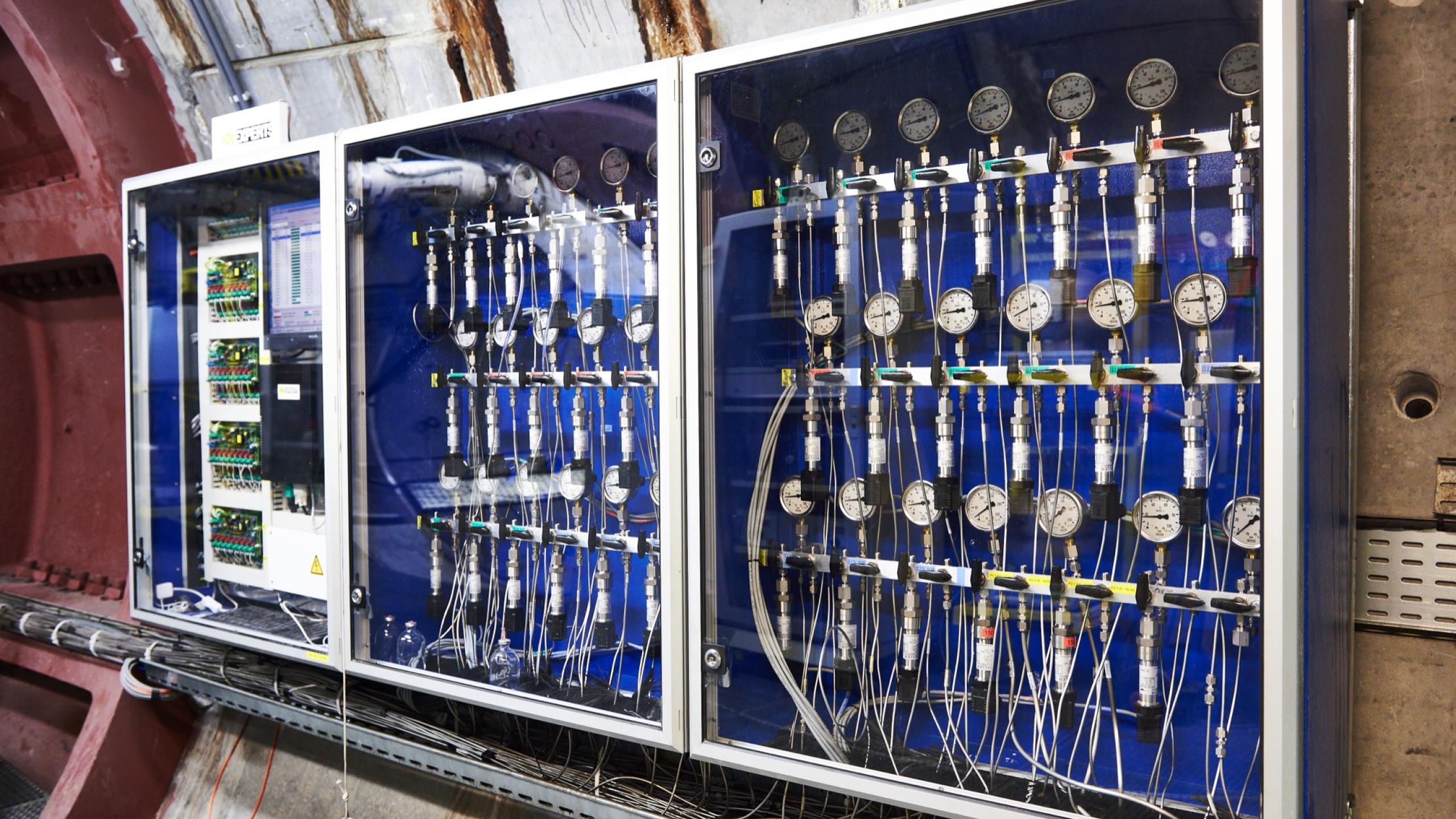
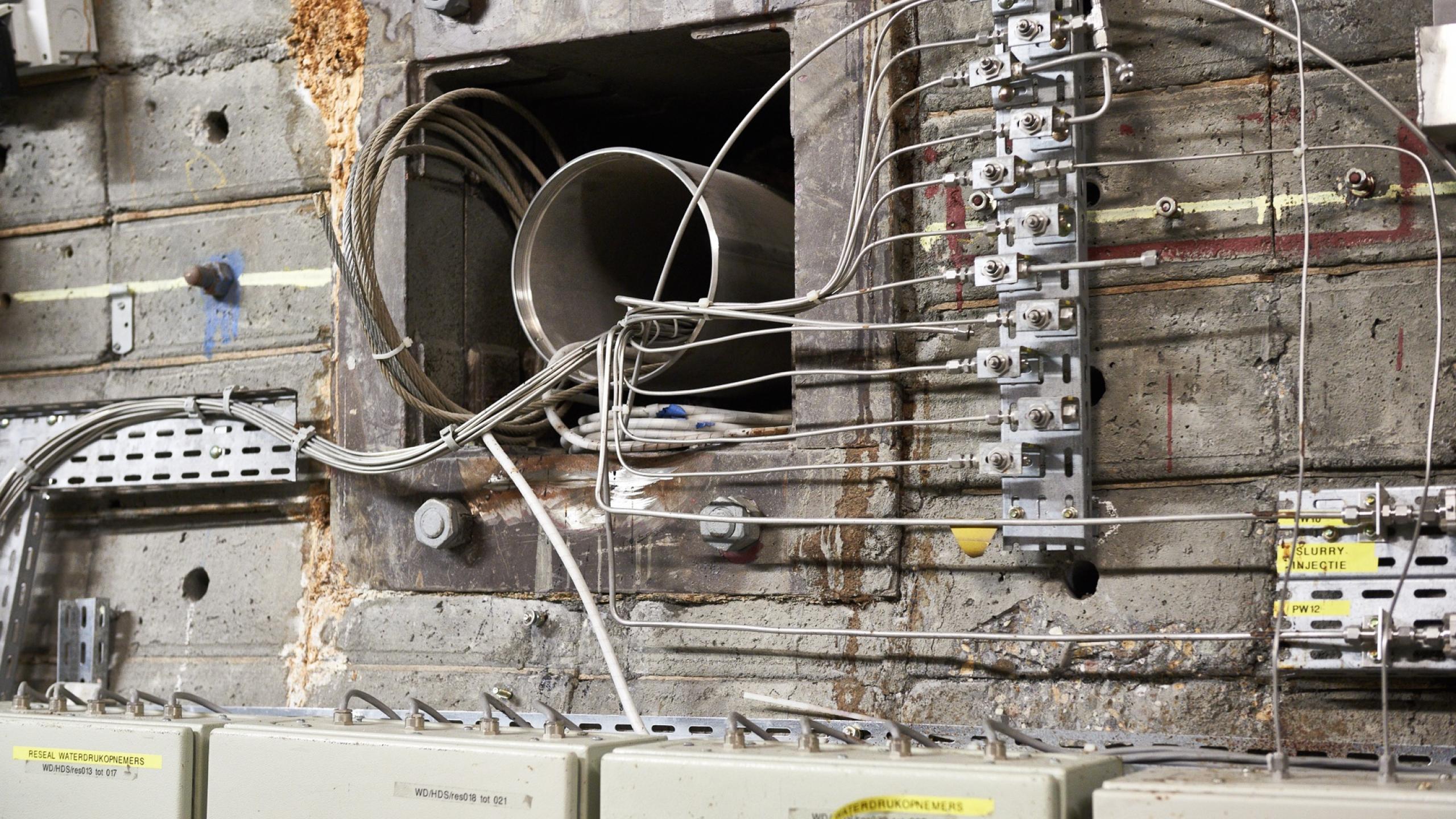
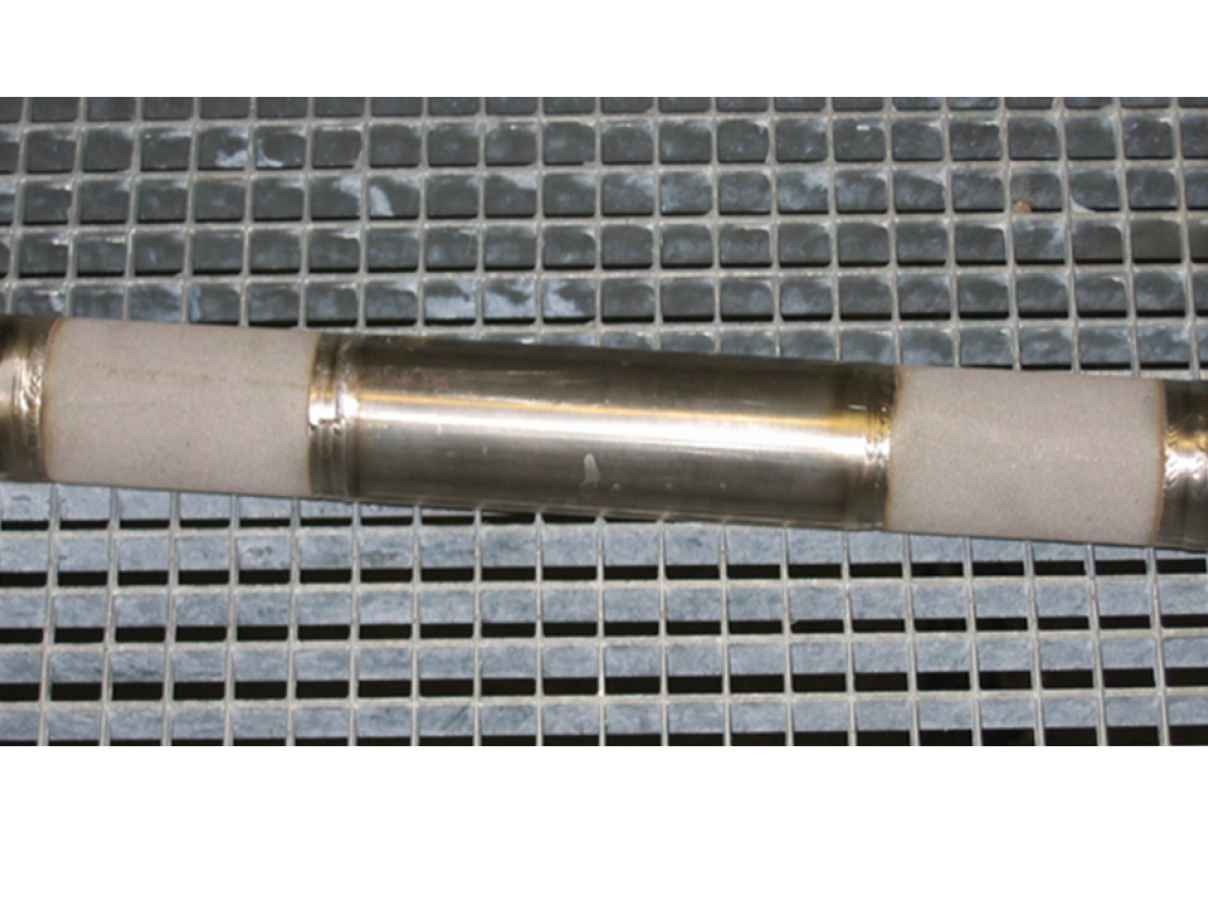
Most experimental setups are in contact with the Boom Clay through instrumented boreholes. Due to its versatile character, the multifilter piezometer is the preferred instrument for these boreholes. It allows data acquisition in various ways:
- monitoring the porewater pressure at different depths
- performing other hydraulic measurements such as hydraulic conductivity measurements through permeability tests
- taking samples of the porewater
- performing on-line monitoring of this porewater in a looped configuration
- perform injection of tracers, gas or gas-saturated water.
Piezometers are thus used in different research domains, ranging from the thermo-hydro-mechanical-coupled (THM) behaviour, over migration of gas or radionuclides, to geochemical characterization when disturbed by oxidation or heating. Often, the piezometer casing is completed with other sensors, such as total pressure and/or temperature probes. Due to the reliability of these borehole devices, they make up the back-bone of the HADES monitoring network.
ccoonnssuulltt aallll iinn ssiittuu eexxppeerriimmeennttss hheerree