1997-2007: industrial phase
The first construction phase of the HADES underground research laboratory in the 1980s was truly pioneering. It greatly expanded our knowledge and technical expertise in building deep underground facilities. Building on this foundation, the laboratory entered its second major development phase starting in the late nineties.
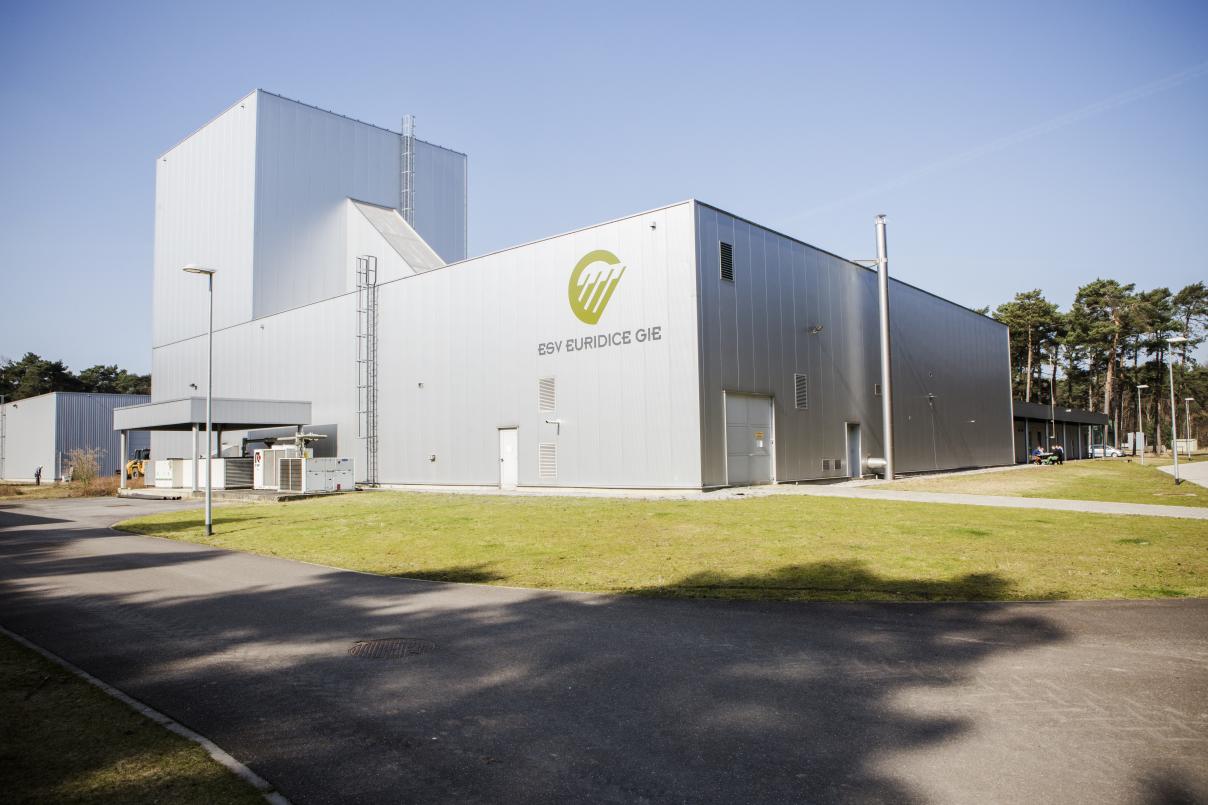
Before this phase began, the EURIDICE partnership was created in 1995, bringing together NIRAS-ONDRAF and SCK CEN. EURIDICE commissioned Smet Group—an expert in underground construction—to take on the challenge of building a second shaft, a connecting gallery, and the PRACLAY gallery.
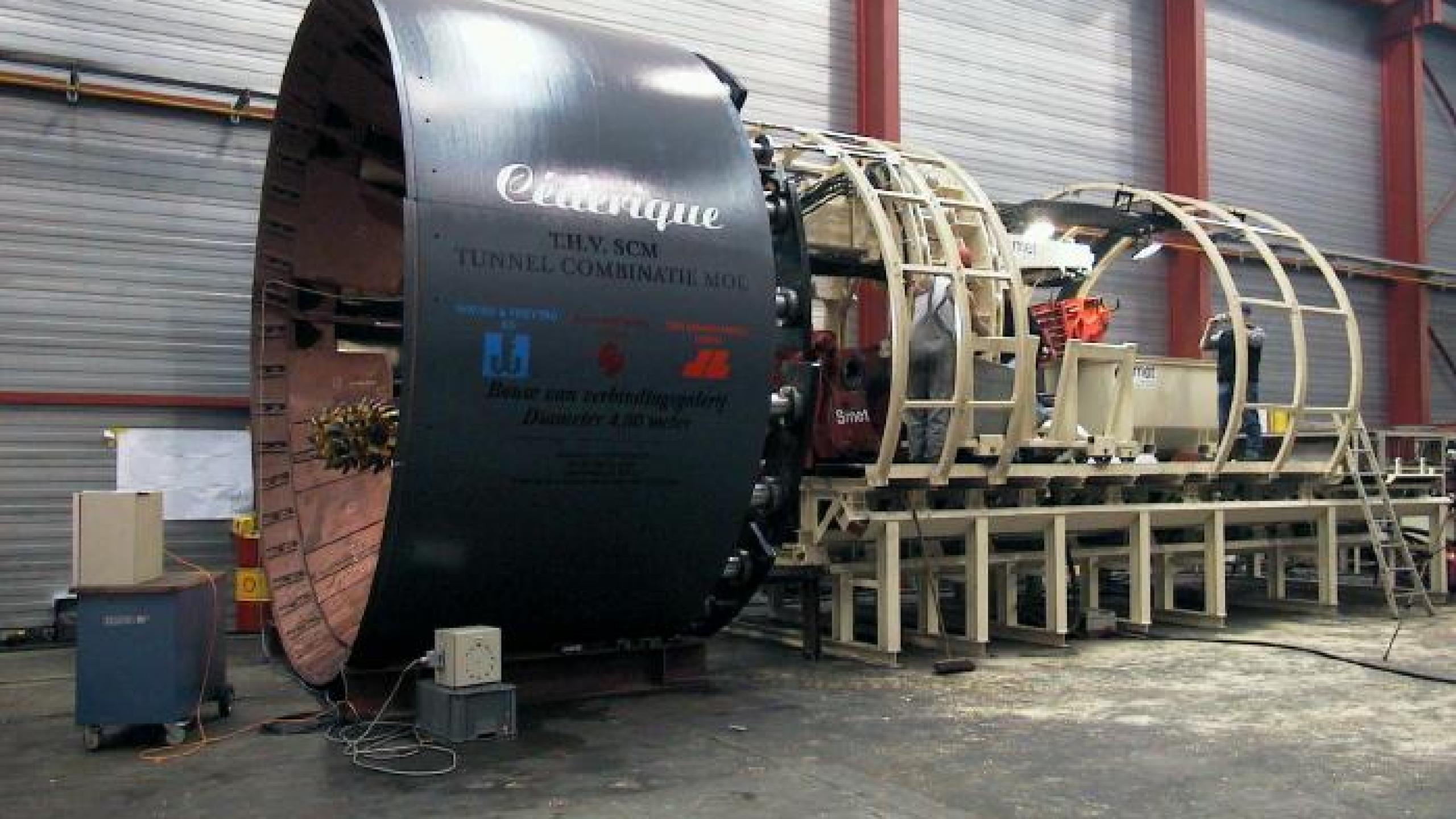
Using advanced industrial tunnelling techniques, the connecting gallery was excavated in just six weeks. This achievement demonstrated that large-scale galleries can be constructed in deep, poorly indurated clay. The PRACLAY gallery, built perpendicular to the main tunnel, represents a prototype disposal gallery. Its successful construction proved that all key elements required for a deep geological disposal facility are technically feasible.
Industrial excavation
1995 marked the start of a new phase as construction of a shaft and galleries using industrial engineering methods got under way.
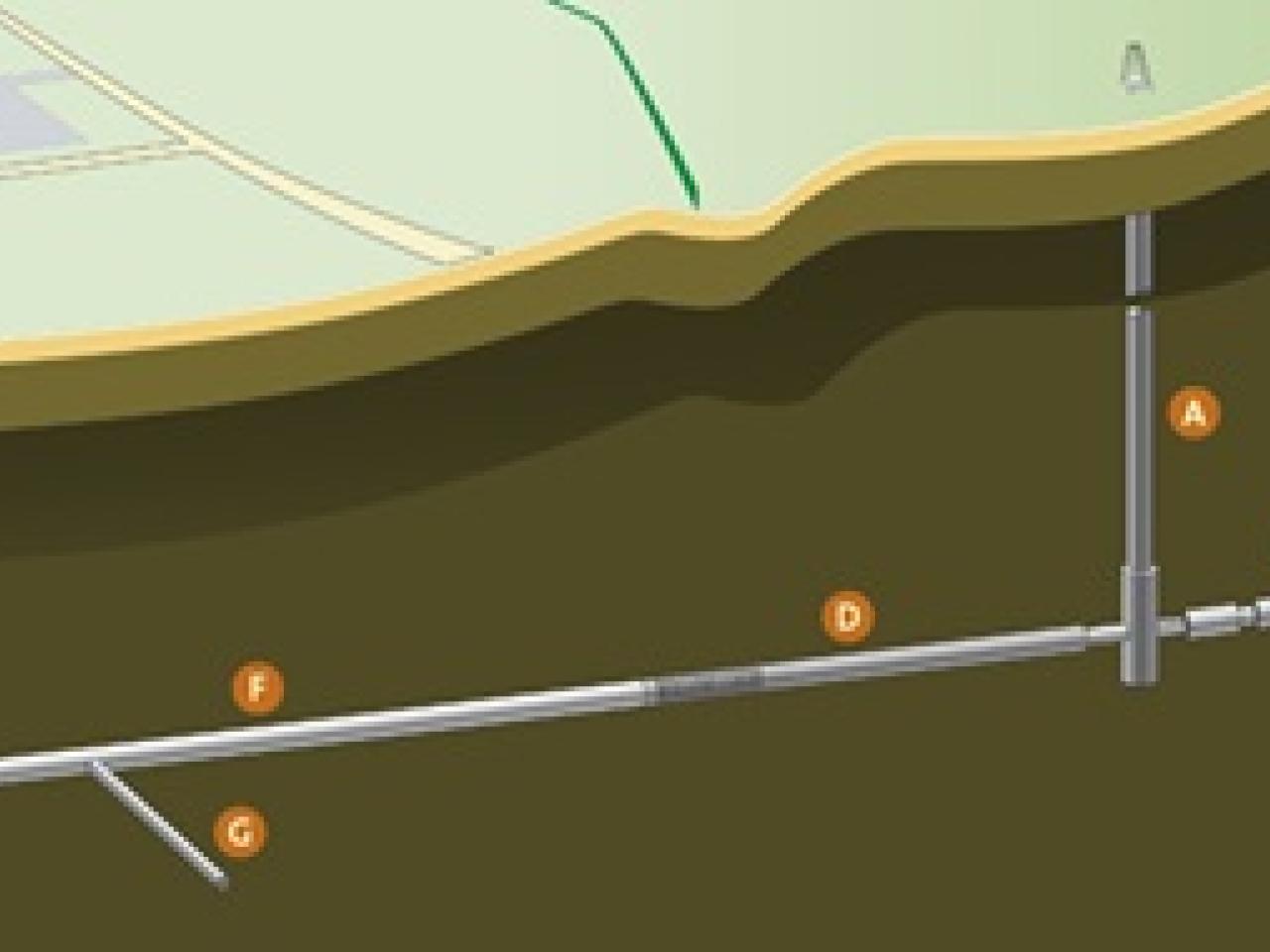
(E) Second shaft
The first step was to construct a second access shaft using industrial techniques. Once the Boom Clay was reached, it was no longer frozen.
(F) 2001-2002: Connecting gallery
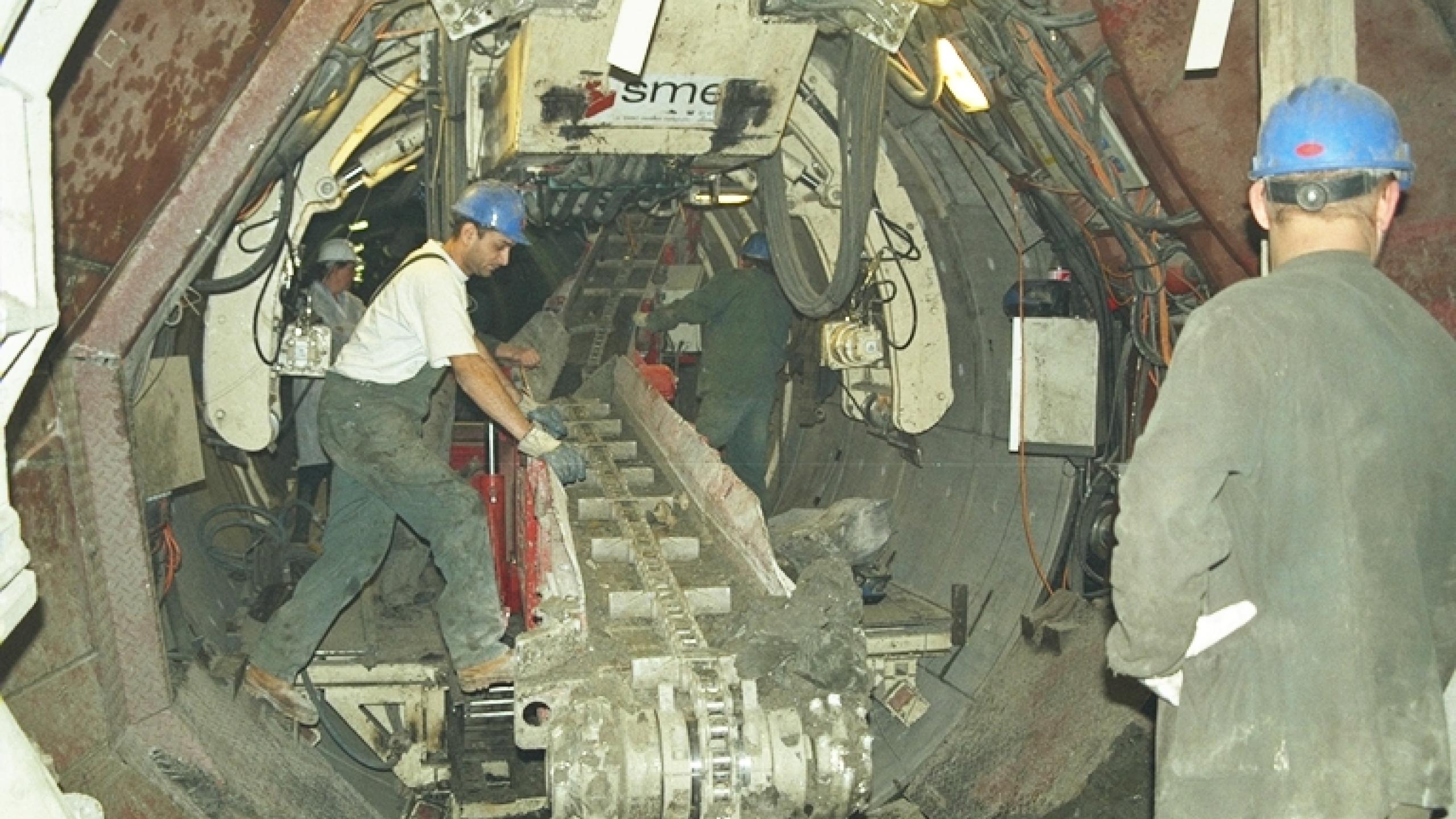
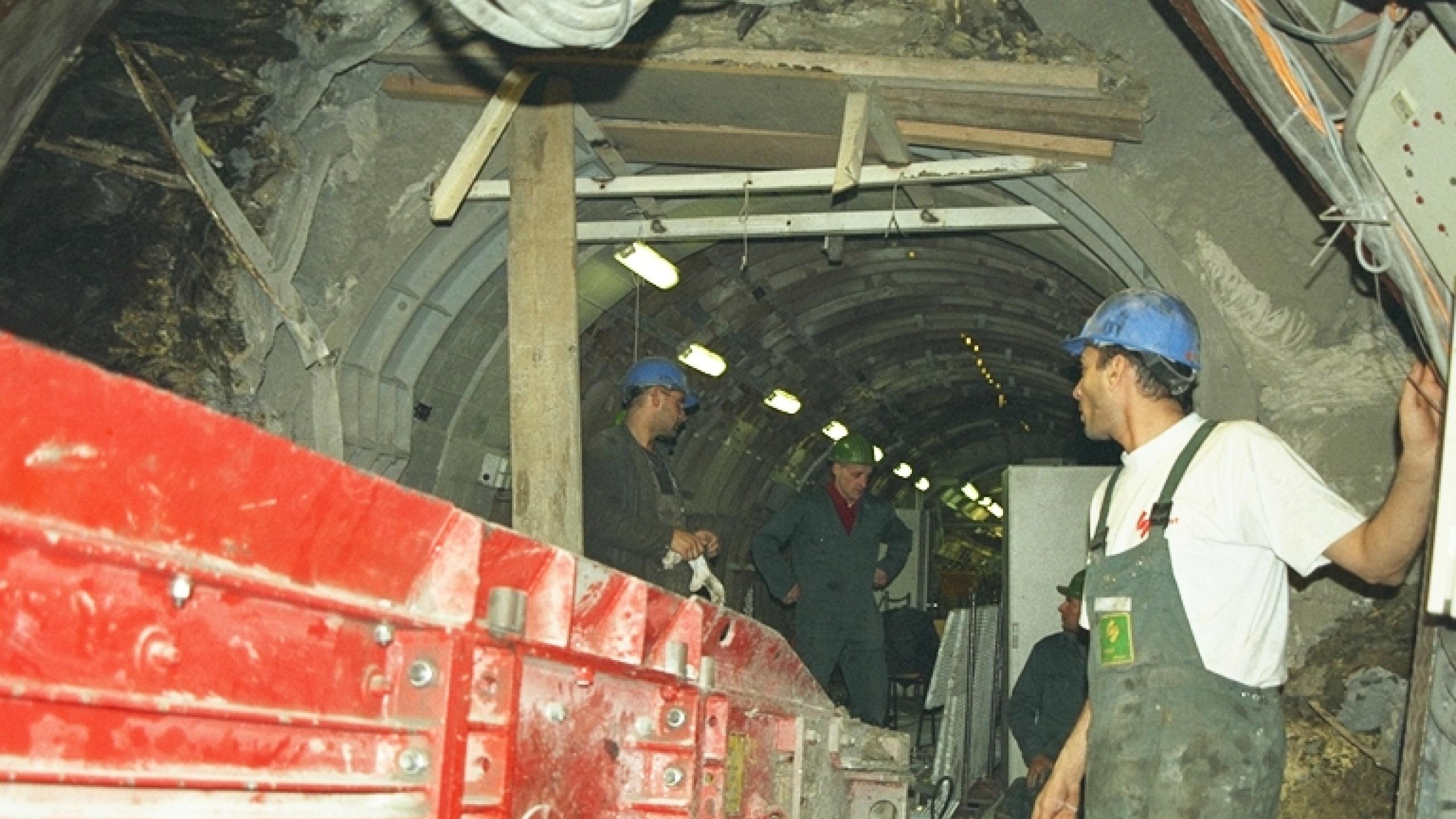
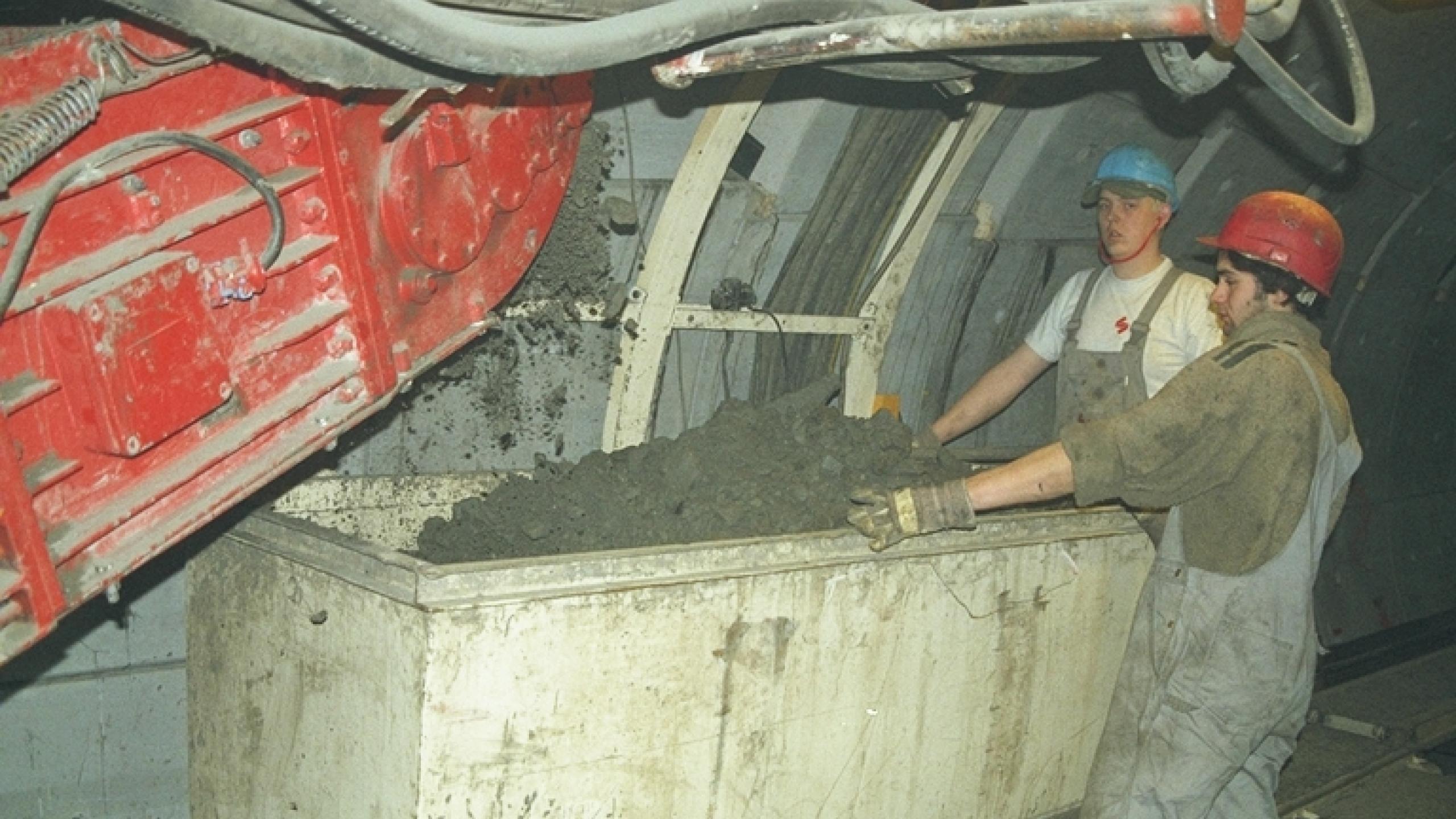
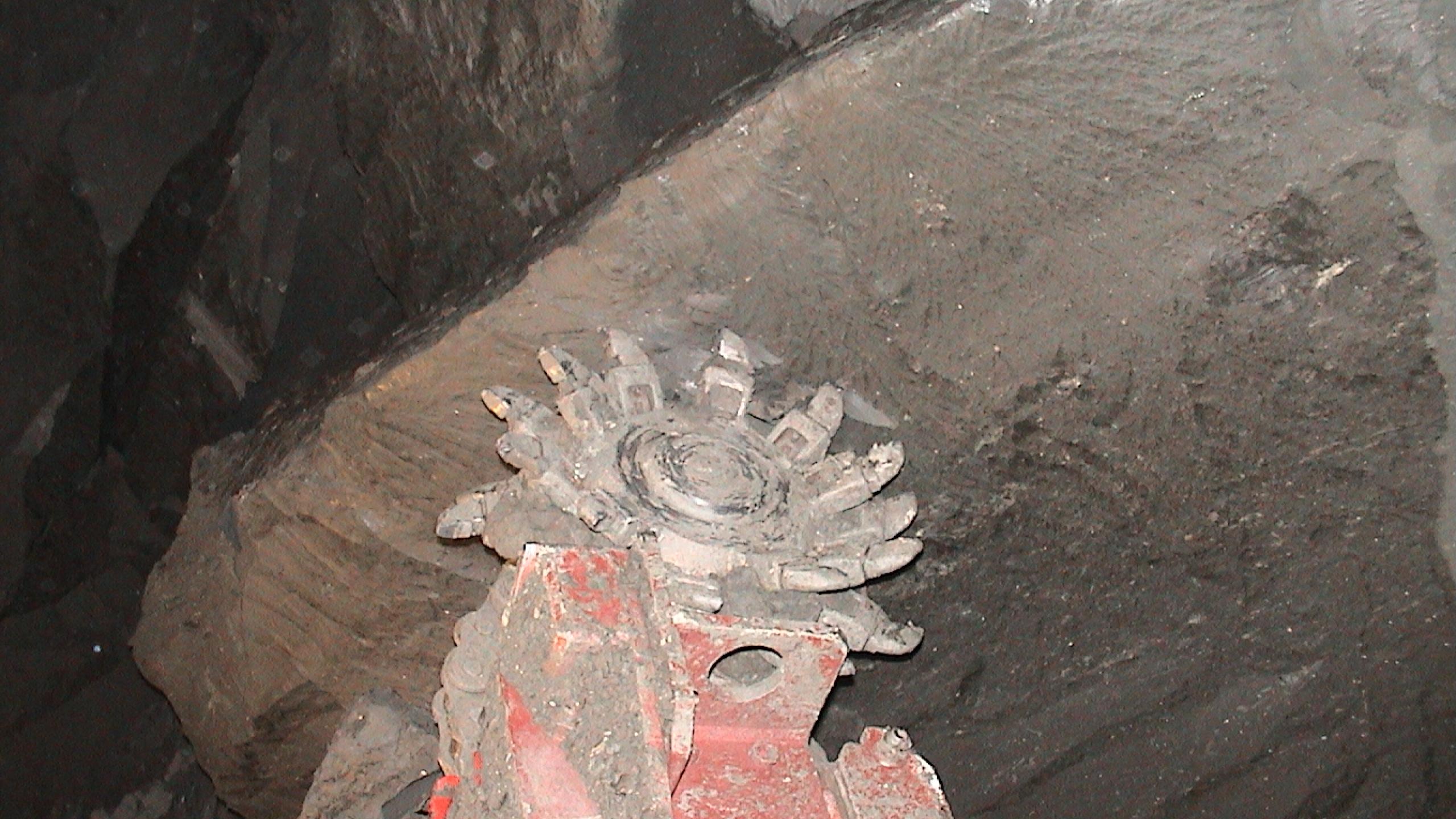
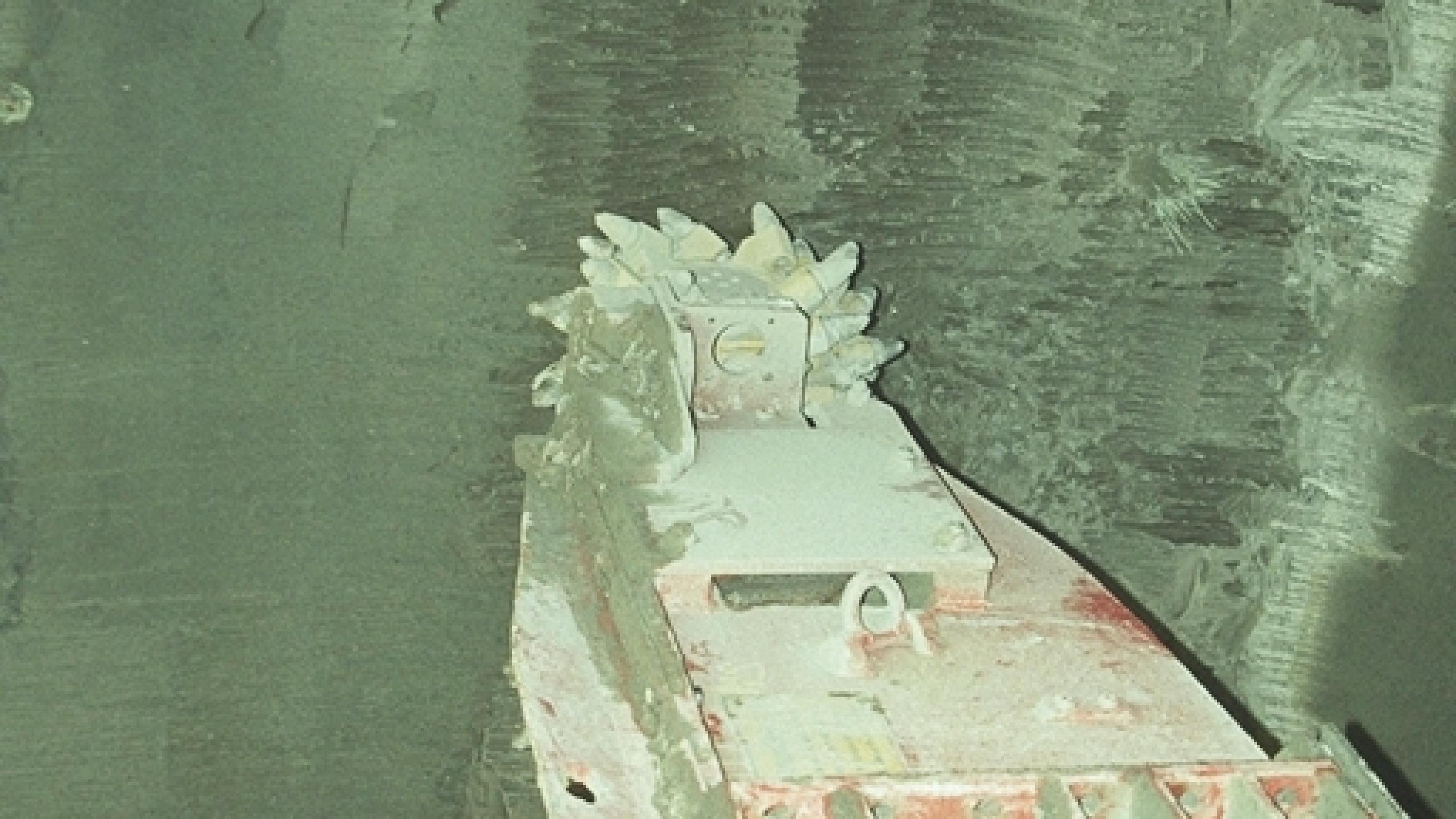
An 80-metre Connecting gallery was excavated between the second shaft and the existing section of the laboratory in six weeks. This was the first time that a gallery had been excavated in poorly indurated clay at a depth of 225 metres using an industrial tunnelling technique.
(G) 2007: PRACLAY gallery
The PRACLAY gallery is 45 metres long with a diameter of 1.9 metres and lies perpendicular to the Connecting gallery. It was also excavated using industrial tunnelling techniques and is named after the PRACLAY experiment.
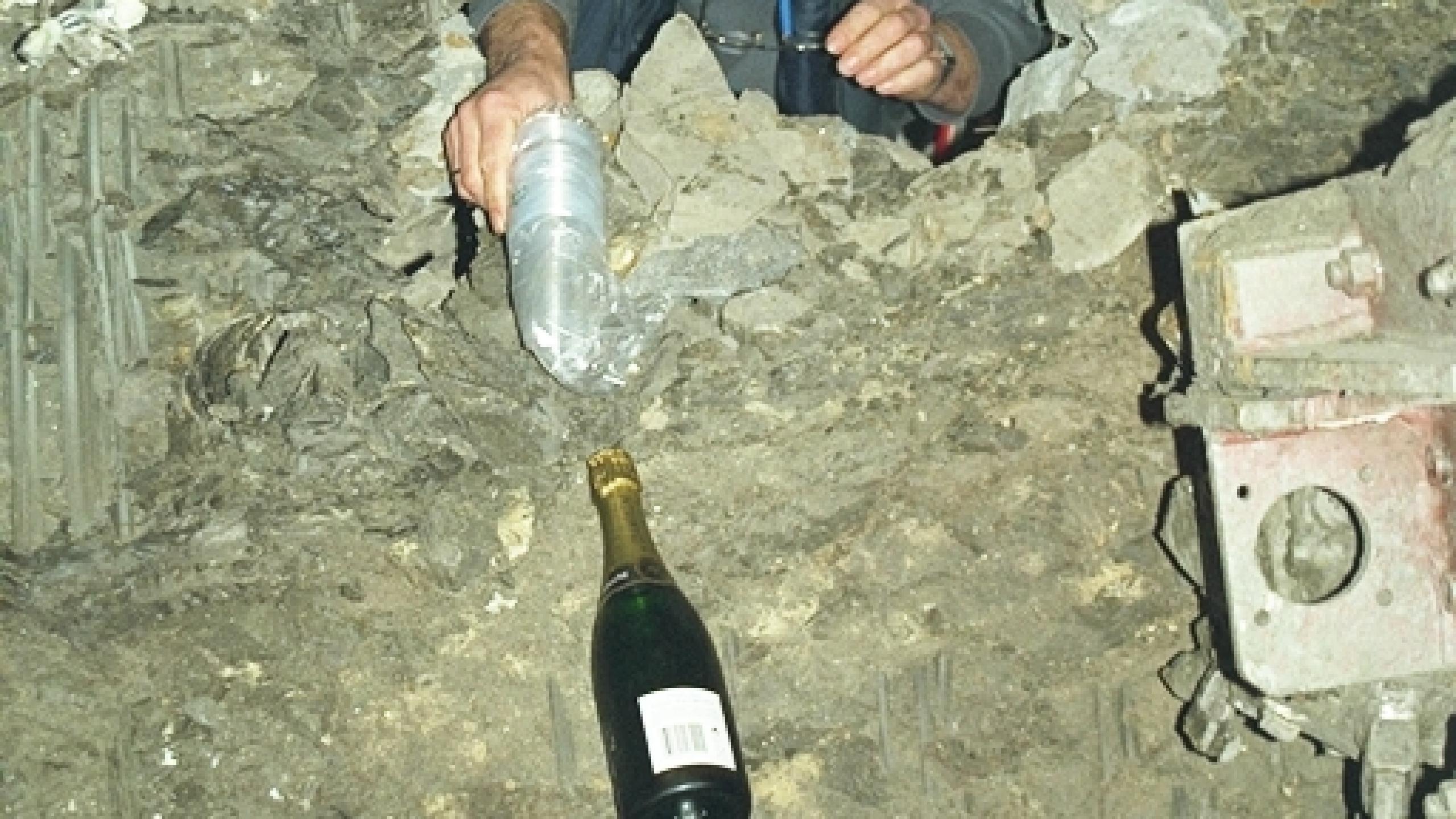
Some images of the construction of the connecting gallery and the first contact between the excisiting HADES lab and the newly excavated gallery.