Long term monitoring and Sensor technology
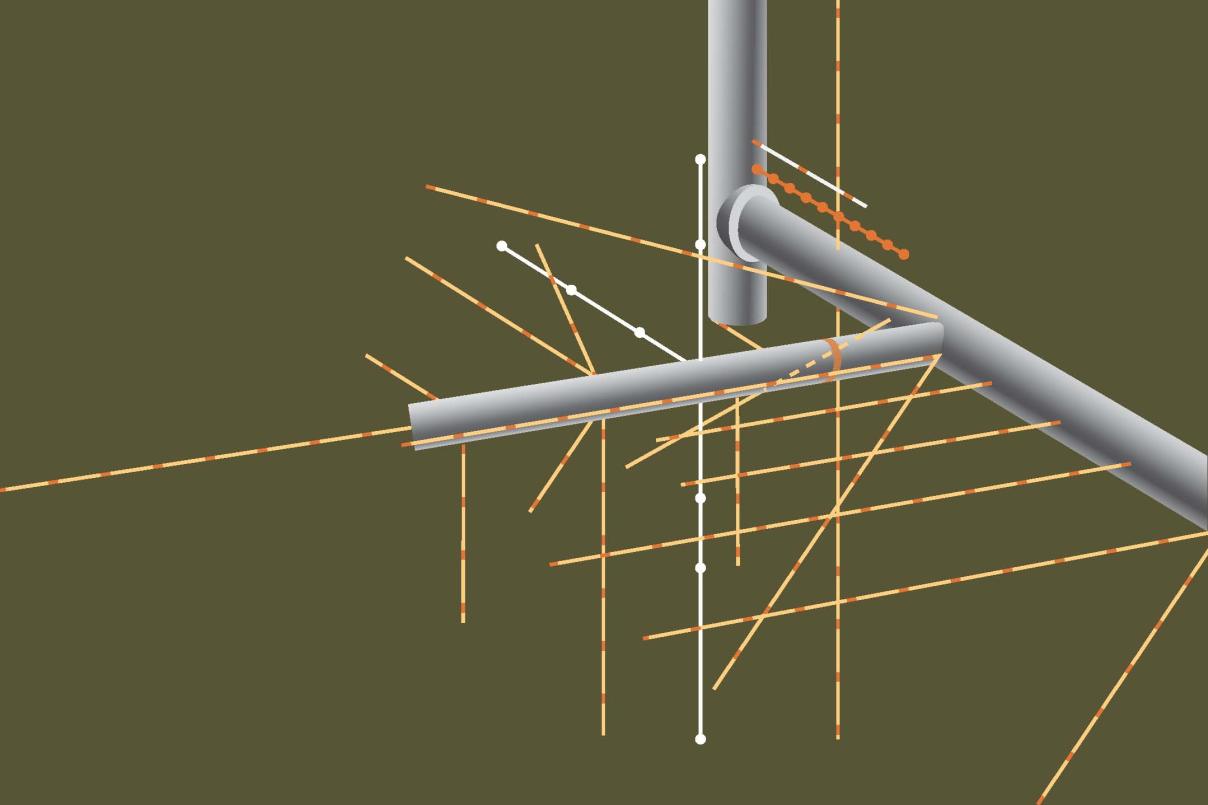
HADES offers a unique opportunity to study the behavior of Boom Clay under real conditions. One of its major objectives has always been to perform in situ experiments—directly in the clay—at scales that reflect the reality of a geological repository. This is crucial because many processes in clay evolve slowly over decades, such as:
- Creep: the viscous deformation of clay over time)
- Restoration of porewater pressure after excavation
- Diffusion (migration) of various components through the clay matrix
By operating at larger spatial and temporal scales, our experiments provide insights that are far more representative than short-term laboratory tests. Long term monitoring and our know-how in sensor technology are our tools to achieve this.
Decades of Data: A Unique Resource
Since HADES became operational in the 1980s, several experimental setups have been running for over 40 years, generating unparalleled datasets. These include:
- Continuous time series of porewater and total pressures, deformations, and temperatures
- Periodic survey measurements that reveal long-term displacements and structural stability
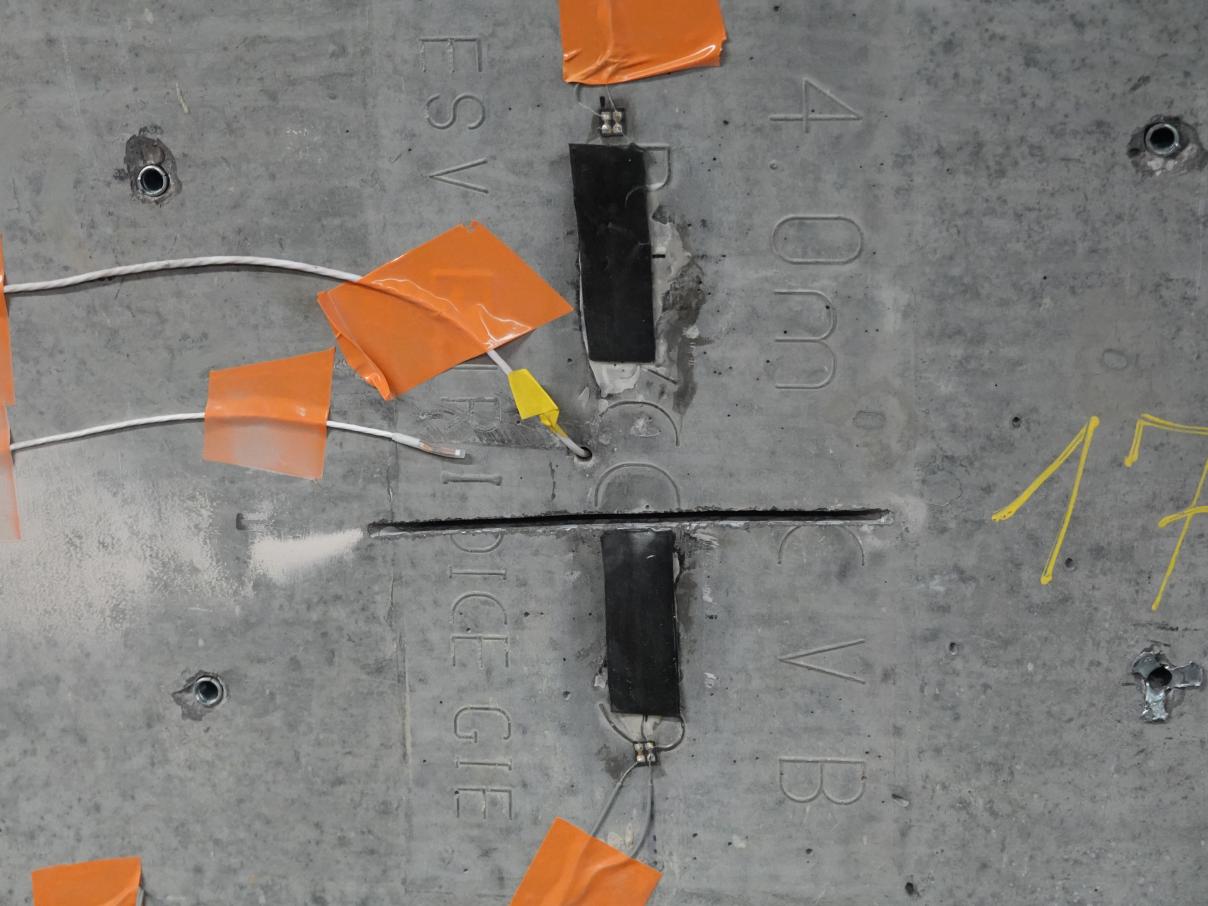
- Embedded strain gauge data for monitoring gallery segment deformation
These measurements are essential for understanding gallery stability and provide valuable input for designing monitoring strategies for future geological repositories.
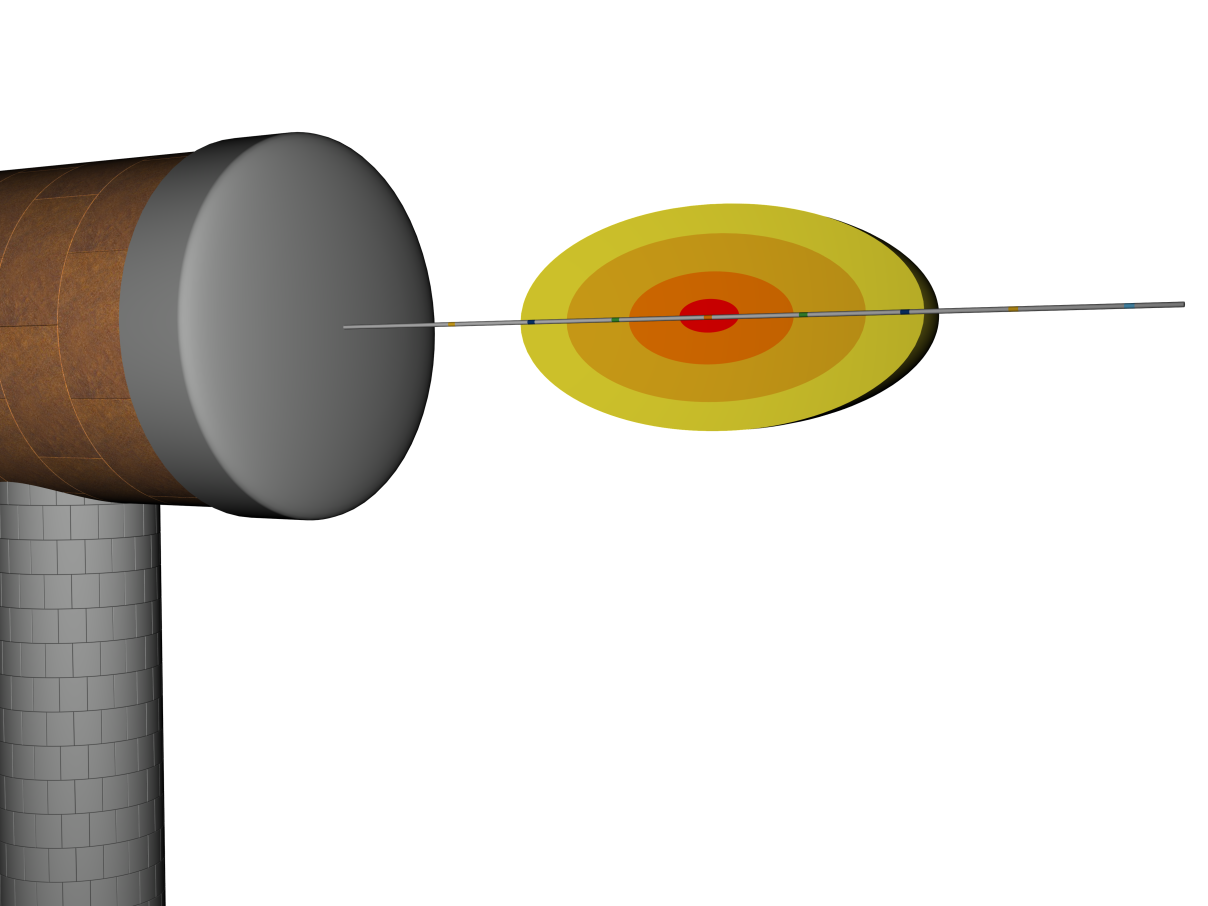
One remarkable example is CP1 (Concrete Piezometer 1), installed in the concrete plug at the end of the First Gallery. It was installed for one of our migration experiments and is in use since 1988, following the injection of tritiated water, and continues to deliver insights into migration processes.
Sensor Technology: Tested by Time
Running experiments for decades allows us to evaluate the reliability of sensor technologies under harsh underground conditions. Proven technologies include:
- Multifilter piezometers in boreholes, still delivering accurate data after decades
- Vibrating wire strain gauges, monitoring gallery segment deformation for over 20 years
However, the environment around HADES is challenging: water pressures up to 3 MPa, total pressures up to 4.5 MPa, and elevated temperatures during heated tests. Not all standard geotechnical sensors survive these conditions. Failures have taught us valuable lessons, making HADES an ideal testbed for customized or adapted sensors.