
Clay behaviour
It is generally accepted that deep disposal of radioactive waste is possible in three types of geological formations: crystalline rock (granite), salt and argillaceous formation such as clay. These formations can guarantee the safety of the repository by isolating the radioactivity from – and delaying diffusion of radioactive particles to – the biosphere for hundreds of thousands of years. The host rock will as such act as a natural barrier.
In HADES, we investigate the behaviour of the Boom Clay, the natural barrier in which our laboratory is located. To fully assess the safety of a future repository, the Boom Clay is thus extensively studied in various conditions.
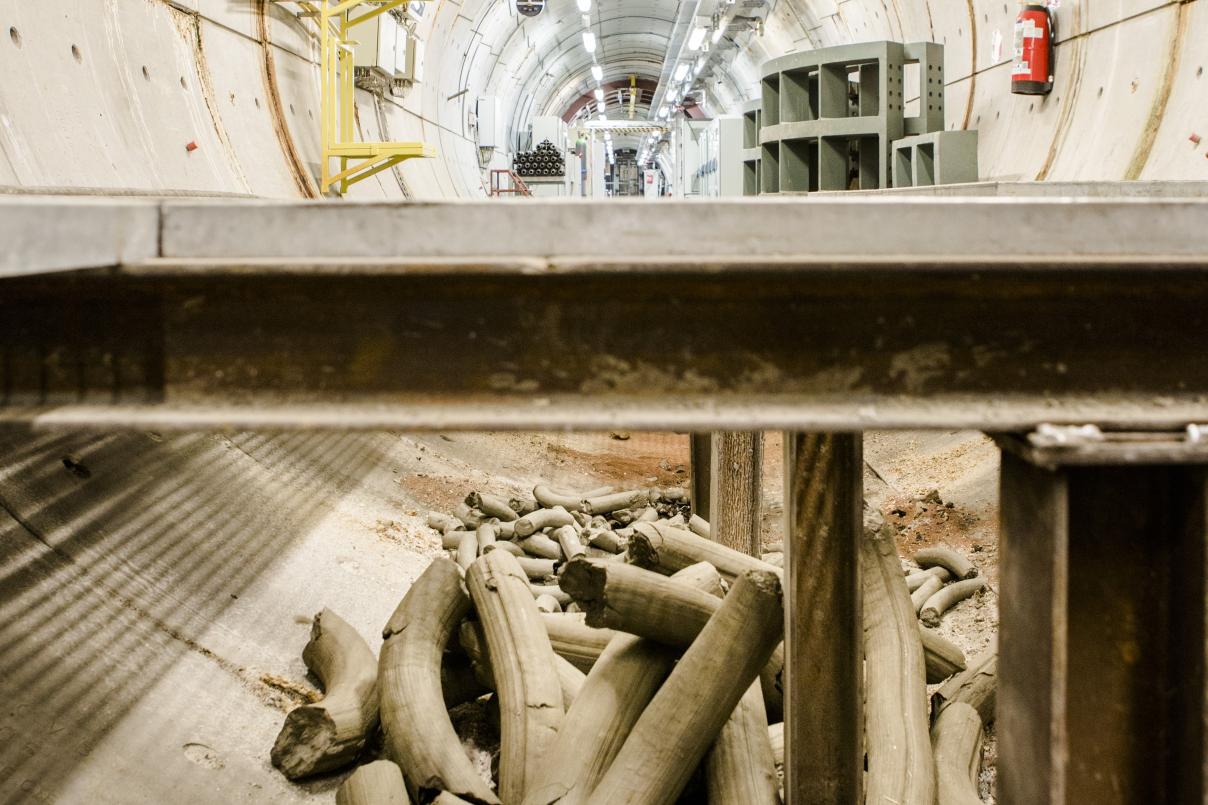
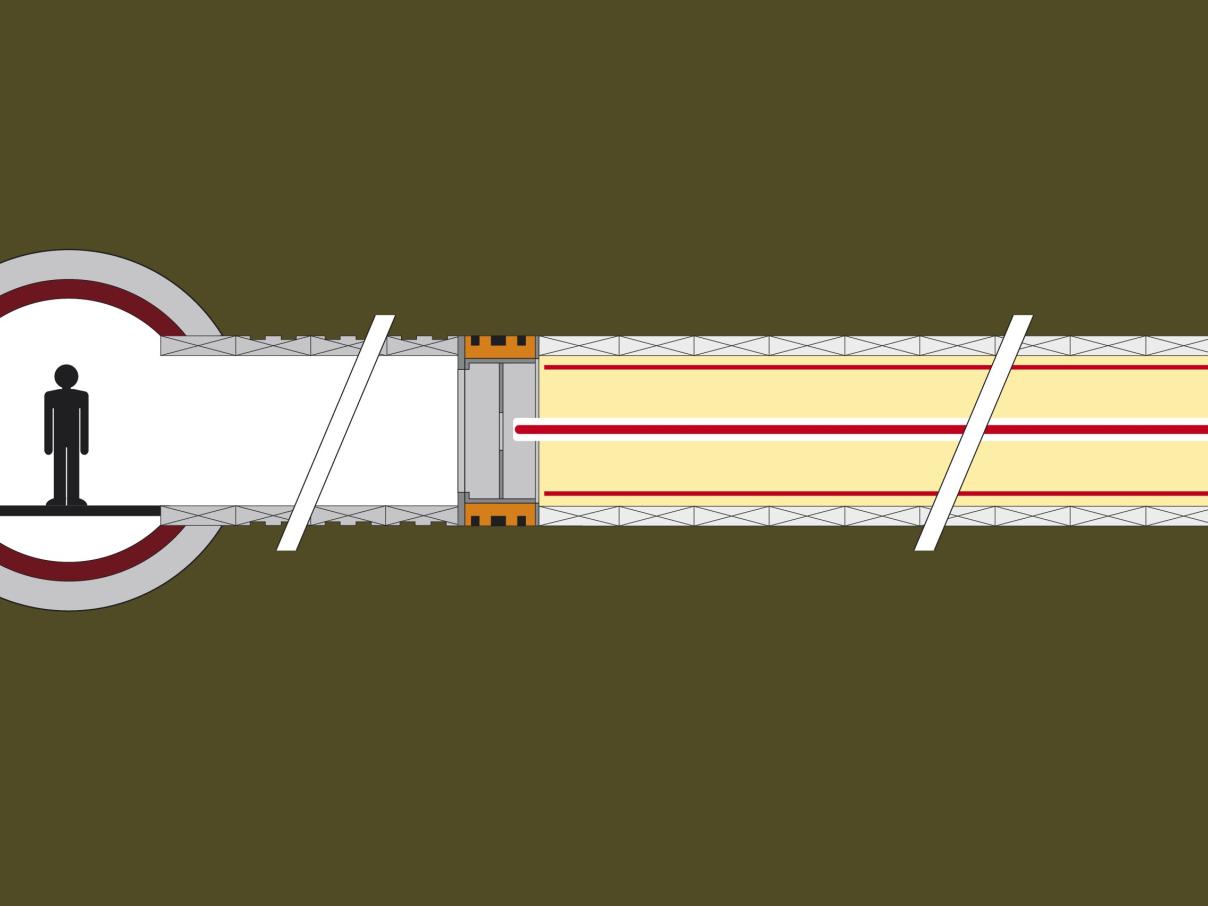
Spotlight on PRACLAY
PRACLAY stands for Preliminary demonstration tests for clay disposal. The test was designed to demonstrate that the Boom Clay can withstand perturbations induced by a geological disposal facility at representative scale. It is a crucial cornerstone of our knowledge of thermo-hydro-mechanical perturbations of the clay.
The test focuses on:
- The excavation of galleries
- The sealing of a disposal gallery
- The impact of heat from heat-emitting waste on the clay
-
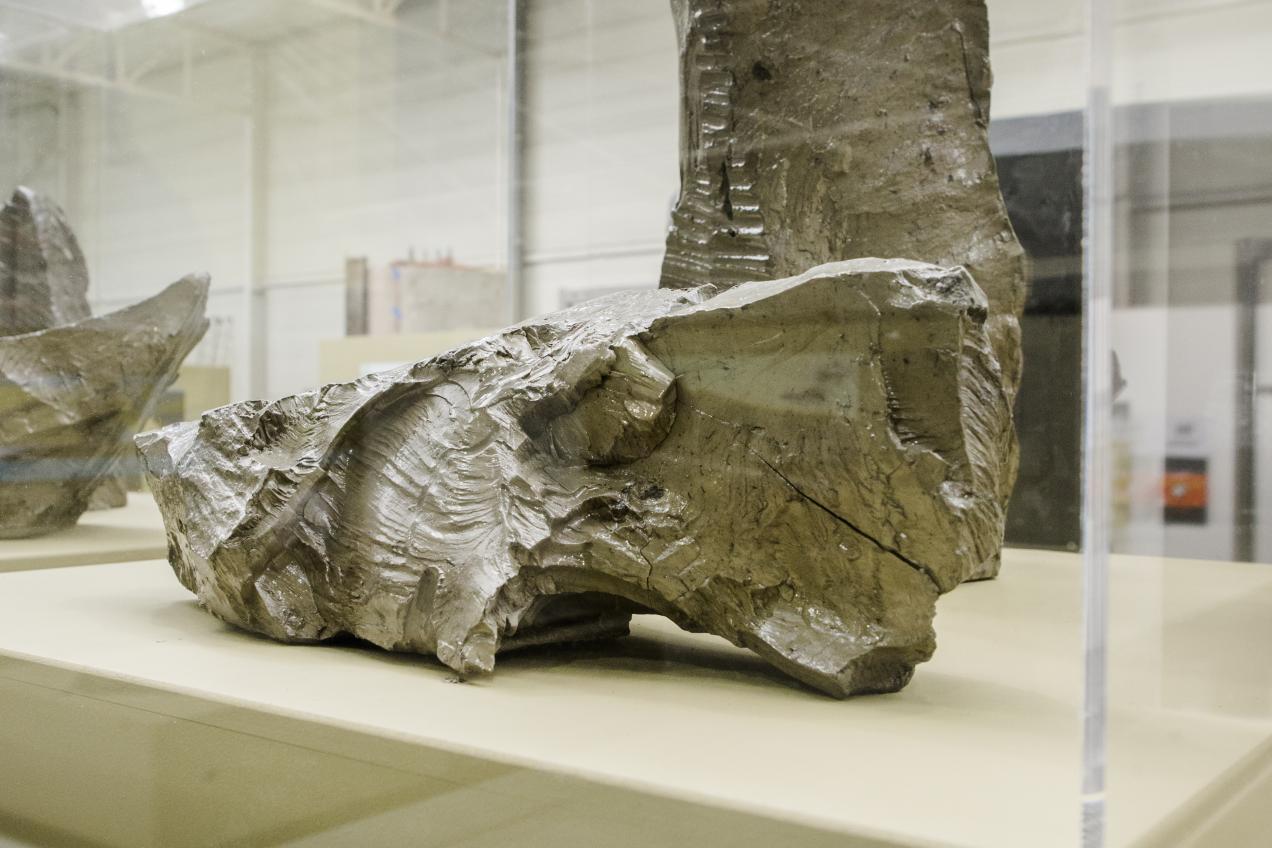
Geology of the Boom Clay
What exactly is Boom Clay? What does it consist of and what are its most important properties? Why is it a suitable host rock for deep geological disposal of radioactive waste?
Learn more about the mineralogy, porosity, permeability and porewater chemistry of the geological formation that we have been studying for decades.
-
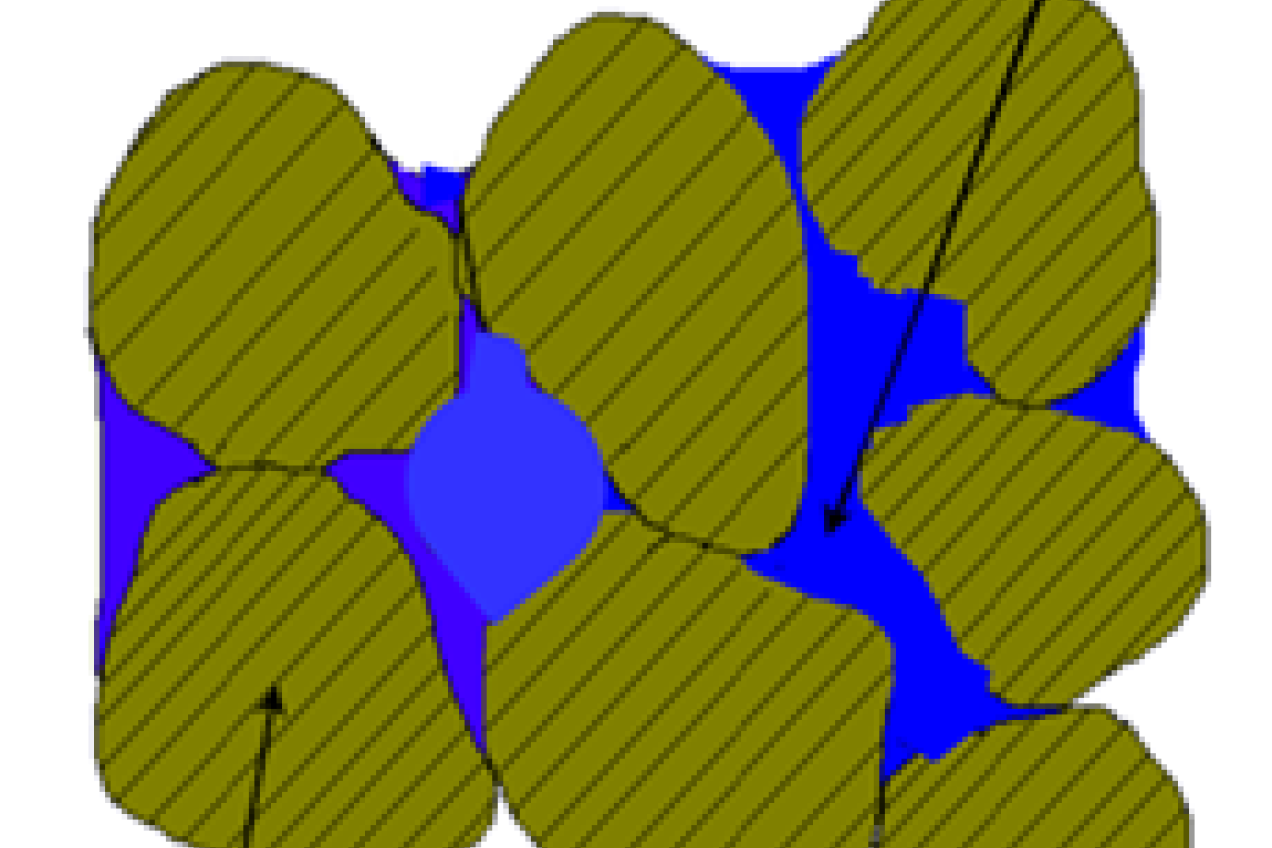
Thermo-hydro-mechanical processes
In the clay, processes that affect the transport of heat, the flow of water and the mechanical behaviour (stress-strain relationship, plasticity) are interconnected. Drawing on data from in situ experiments, long‑term monitoring of the clay and detailed desk studies, these coupled processes are now well characterised.
-
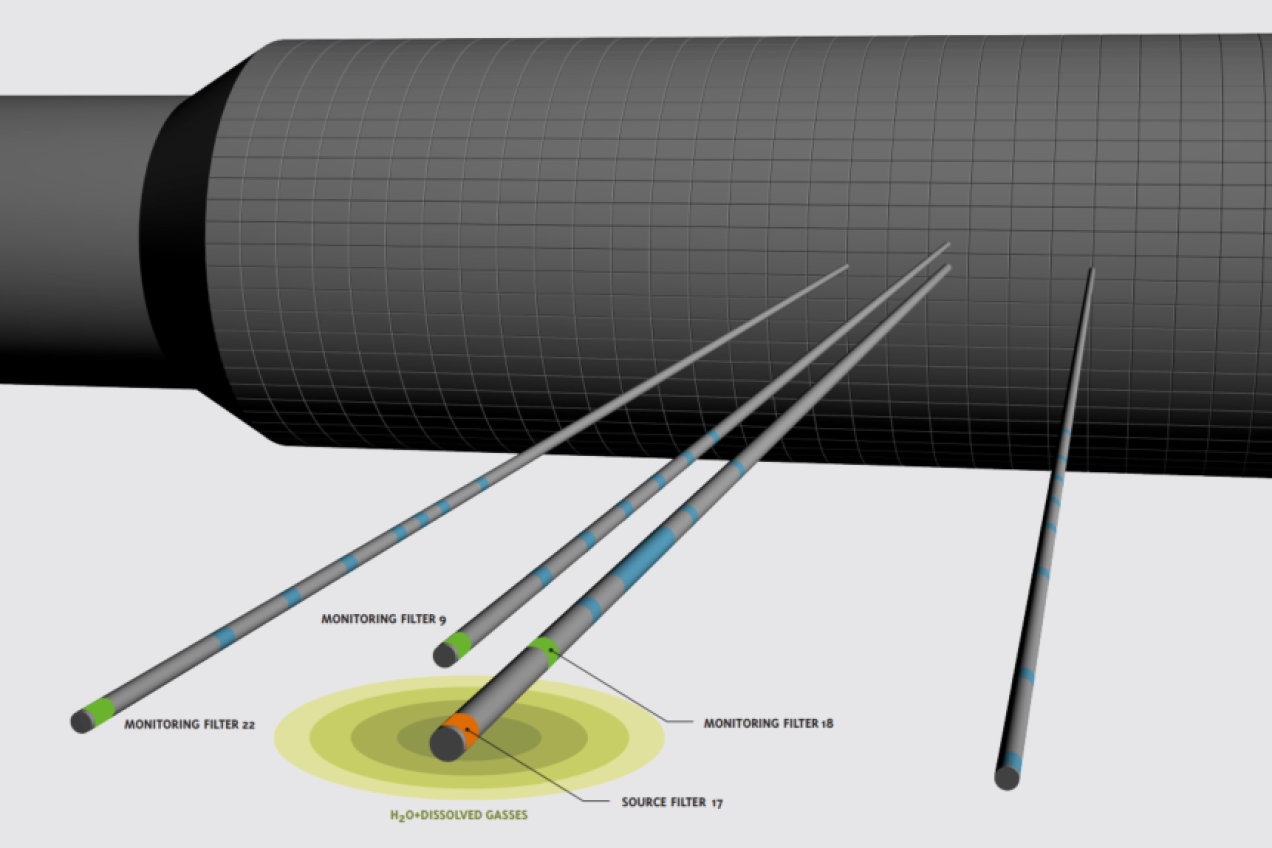
Transport of gas through clay
In a deep disposal facility, gas will be generated due to corrosion reactions of metallic elements and radiolysis of water. This is a very slow process, occurring over thousands of years. How will these gases be evacuated from the disposal facility? To study this on a representative scale, we perform a gas diffusion test on meter-scale in HADES.
-
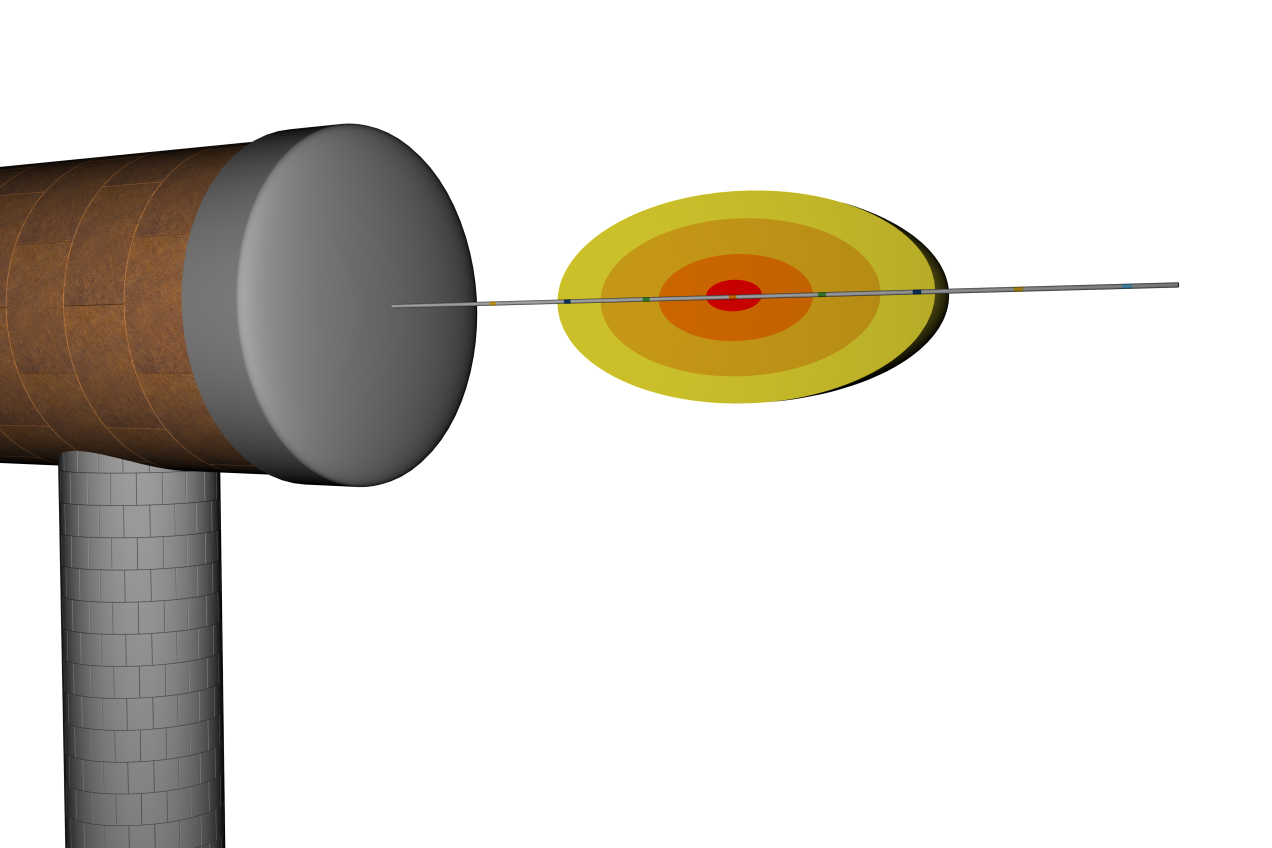
Migration through the clay
Radioactive substances will migrate through the clay, once the barriers of the repository will no longer contain the waste. But what are the mechanisms behind this migration? Do they influence the properties favorable for the safety of geological disposal? How do we test what we know in situ in HADES?
-
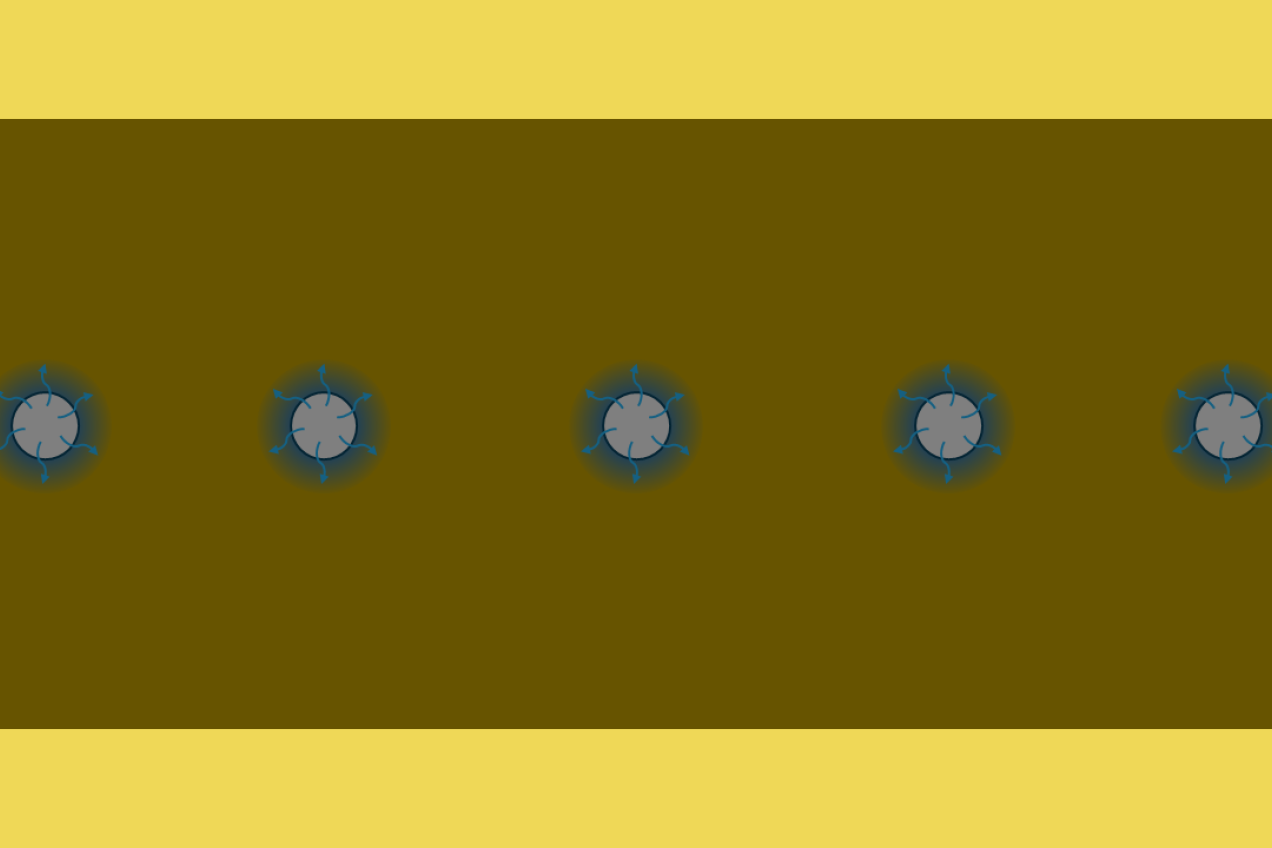
Chemical perturbation of the clay
Not only radioactive substances will leach from a disposal facility into the clay. Other components, coming from the waste or the materials in the repository, will also slowly diffuse into the surrounding clay and perturb it, possibly affecting the properties favorable for the safety of geological disposal.